Audio Transcript
Please note: Accuracy and availability of IPR transcripts may vary.
00;00;00;03 - 00;00;28;20
J.R. Jamison
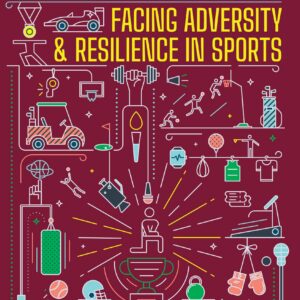
Jamison: I'm J.R. Jamison, and you're listening to the Facing Project. Today I'll be joined by Dr. Adam J. Kuban, editor of Facing Adversity and Resilience in Sports, to explore his collection of stories from athletes, coaches and sports media professionals who've had to navigate questions of identity, race, culture, disability, mental health, gender and sexuality, while also carrying the institutional and personal challenges that can accompany participation in sports.
00;00;28;20 - 00;00;58;19
J.R. Jamison
And we'll be joined by Ryan Sierocki, a contributor to the book and assistant athletic director at Kentucky Wesleyan University. Then I'll share three stories from the project that span youth, collegiate and professional levels with experiences from across the United States and beyond. And later, I'll sit down with Dr. Kelcey Ervick, author of The Keeper: Soccer, Me and the Law That Changed Women's Lives, for a conversation about her graphic memoir and its exploration of soccer, gender, and social change.
00;00;58;21 - 00;01;04;04
J.R. Jamison
Stay with us.
00;01;04;07 - 00;01;28;02
J.R. Jamison
Jamison: You're listening to The Facing Project, and I'm J.R. Jamison. My guests today are Dr. Adam J. Kuban, professor in the School of Journalism and Strategic Communication at Ball State University and editor of the book Facing Adversity and Resilience in Sports. And Ryan Sierocki, a contributor to the book and assistant athletic director at Kentucky Wesleyan College. Adam and Ryan, thank you for joining me on the Facing Project.
00;01;28;02 - 00;01;28;23
Dr. Adam J. Kuban
Kuban: Thank you.
00;01;28;24 - 00;01;29;25
Ryan Sierocki
Sierocki: Thank you for having us.
00;01;29;26 - 00;01;52;14
J.R. Jamison
Jamison: Adam, this isn't your first time leading a facing project or editing one of its subsequent books. In fact, it's your fifth or sixth time doing this. But the past two iterations, you've focused your efforts on adversity and resilience and sports talk more about why this topic and these stories are important to you, and why they should be important to others.
00;01;52;19 - 00;02;26;12
Dr. Adam J. Kuban
Kuban: Yeah, I've I've done several facing projects now and each one is unique in its own way. I would say even with the sports projects, we had volume one that debuted in 2022, and now we have that second volume about to debut and about to launch. And so I'm proud of both of them. I think stories about adversity and resilience in sport are really important, especially now because there's always been money in sport, but now it just seems like there's so much more money.
00;02;26;12 - 00;02;58;19
Dr. Adam J. Kuban
And I think sometimes the athletes, especially the younger athletes who aren't professional yet, I mean, they might be on the way to professionalism, but they are youth athletes in high school or even middle school college athletes. Sometimes I think they get lost. They're seen more as a means to an end, for a gambler, or for someone who has a lot invested or donated to that sport or to that program.
00;02;58;19 - 00;03;22;17
Dr. Adam J. Kuban
And so they're interested in the bottom line. Did that athlete perform and win for for the team, you know, or did they lose and we lose in that conversation? A lot of the a lot of the challenges, a lot of the struggle, things that aren't necessarily seen on the court or on the gridiron.
00;03;22;20 - 00;03;30;00
J.R. Jamison
Jamison: How have these stories, this topic in particular, been different from other projects you've taken on?
00;03;30;03 - 00;03;58;25
Dr. Adam J. Kuban
Kuban: For one, I think a lot of these stories are not geographically restricted. So some of the past facing projects that I've led, the stories are just as compelling, just as vivid, but they are very much geographically centered to a zip code or a region. We have stories in both books that are athletes. Yes, in Indiana that's definitely represented.
00;03;58;25 - 00;04;31;04
Dr. Adam J. Kuban
But we also have athletes from outside the state and in some cases outside the country. And I think that shows that there are stories to be told in the world of sport, not necessarily adversity and resilience in a in a bad way because, you know, something bad happened to them and they've overcome that. I mean, we do have those stories, but positive things that have come out of that adversity and resilience about those athletes, about those teams that may not have otherwise been known when you're watching the game on TV.
00;04;31;07 - 00;04;57;18
J.R. Jamison
Jamison: What's interesting about this iteration of the work, and also the last one with a very similar theme, is to your point. The athletes were all over the world and they also represented pro athletes, collegiate athletes, sports professionals. Talk about your students interaction with that. Was there an intimidation factor? Tell me more about that.
00;04;57;24 - 00;05;23;26
Dr. Adam J. Kuban
Kuban: Well, I think Ryan might be better equipped to answer that question from his end. I think from my side, I think absolutely when I first presented the project, the scope of the project, what we were trying to accomplish, I do think it overwhelmed a couple of students in the class, but that's also why I had broken it down into a series of milestones.
00;05;24;00 - 00;05;51;13
Dr. Adam J. Kuban
Throughout the semester, so that it wasn't something we talked about maybe at the beginning of the term, never to talk about it again. And then suddenly there's a major deadline looming at the end of the semester. You know, I think we were able to break that down into something that was a little bit more manageable. And then the content, you know, the books that we read, the documentaries we watched all contributed to the overarching theme of the book project anyway.
00;05;51;13 - 00;06;18;24
Dr. Adam J. Kuban
So it constantly was there. It was present all through that semester of the students who took that course. I also think to that it's, you know, it's always difficult when you're pushed outside of your comfort zone, but that's kind of the nature of the facing project. And its model is to tell these stories that, yes, might be challenging, even difficult at first, but there's a certain empowerment behind that.
00;06;18;24 - 00;06;39;04
Dr. Adam J. Kuban
There's a certain sense of accomplishment, maybe from the writer's side and maybe relief, you know, a liberating feeling from the storyteller side that, you know, now they've told that story and they know dozens, maybe even hundreds, thousands of people might eventually come across it, learn from it, benefit from it.
00;06;39;06 - 00;06;50;21
J.R. Jamison
Jamison: What's been your motivating factor as a professor to return to this model as a teaching experience for those who might become our next journalist?
00;06;50;23 - 00;07;29;14
Dr. Adam J. Kuban
Kuban: For one thing, I don't think the world has enough empathy in it. In fact, if anything, I think it's gone in the opposite direction in recent memory. We we continue to lose our empathetic tendencies. You know, we jump to judgment or blame and and I just I like that this model is very much focused on empathetic storytelling. Those stories are told in first person narrative, where the student writers, in effect, become those athletes, those media professional sports media professionals who are facing those challenges, those adverse circumstances.
00;07;29;14 - 00;07;56;18
Dr. Adam J. Kuban
And because then they have to ask questions as though they themselves are experiencing it. I do think it makes those situations a little bit more real for them, and I hope that in terms of their eventual careers, they're more aware of those situations in the first place, but also a little bit more informed and sensitive to how to address those situations if and when they encounter them on their own.
00;07;56;21 - 00;08;29;11
J.R. Jamison
Jamison: Ryan, let's turn to you as someone who was a student writer on the project and now a sports professional, you contributed as a writer. So as Adam so eloquently talked about, the model is writer and storyteller sitting down together to help carry the narrative of the storyteller onto the page. And the first person, walk me through your emotional journey as a student, given an assignment to actually developing a relationship with their storyteller and then contributing a piece to the anthology.
00;08;29;16 - 00;08;48;07
Ryan Sierocki
Sierocki: I think Adam talked about some of the initial, overwhelming parts of the feeling of this. This project could go in any direction, and I remember a specific exercise where we went around the classroom and everyone kind of listed who their potential storytellers were, and you had individuals who were listing Heisman candidates and, you know, they were really shooting for the stars.
00;08;48;07 - 00;09;10;17
Ryan Sierocki
But that kind of helped me take a step back and realize that, you know, I could really this is a good opportunity to leverage my connections and figure out where there may not be coverage for a story and what kind of avenue. Can I take this to make it a unique story and add to the project? Overall, I just kind of remember when I limited down to like, okay, here's like four people that I think I could really go for.
00;09;10;20 - 00;09;35;23
Ryan Sierocki
I kind of thought about what would make the most sense to be something that someone the most unique story and in my case, Larry, who I, who I spoke with, you know, he was facing a very traumatic injury and the recovery process was just grueling for him. And so when I thought about that, I was like, you know, this is definitely something that I want to highlight for people, and I want them to understand the kind of, you know, process.
00;09;35;23 - 00;09;51;17
Ryan Sierocki
He's been in recovery and rehab and all of these things. The emotional aspect of all that, some of those interviews we did, I mean, we our first one went over an hour. And, you know, I drafted the story and, you know, we talked about it in class, like, hey, you might want to go back for a second or even third interview.
00;09;51;17 - 00;10;07;27
Ryan Sierocki
And I talked to him several times and it just every time tear jerking. It's hard to listen to, but you know, you're doing him a solid by telling him telling these stories to people and getting his, you know, his point of view across the paper and into into this project.
00;10;07;29 - 00;10;19;10
J.R. Jamison
Jamison: Tell me more about how this experience changed you as a student, working on your academics and also subsequently becoming a college sports professional?
00;10;19;12 - 00;10;39;15
Ryan Sierocki
Sierocki: Absolutely. I think it was interesting that, you know, Larry at the time was through a season of collegiate athletics. And now that I've wound up in collegiate athletics, a lot of times when you see, you know, students face adversity or injury or something of that nature, I can kind of relate it back to this experience. So that's been helpful for me in my career.
00;10;39;18 - 00;11;02;12
Ryan Sierocki
But overall, you know, I really just think that this process kind of it undermines how how important it is for for students in Adam's class at this time to kind of just, you know, keep leveraging your connections, digging into where can I go? How can I help, you know, not only tell these stories, but this is going to benefit me.
00;11;02;18 - 00;11;23;24
Ryan Sierocki
As you know, I think what's unique about this project is you're telling it from a perspective that's obviously not your own. And a lot of times, this is the first time these students are doing something of that nature. So it opens a pathway for them to kind of get more creative with their writing, try something new. And, you know, as you're talking or writing about someone that's not yourself, you might step out of your comfort zone.
00;11;23;24 - 00;11;26;23
Ryan Sierocki
And that's what's important about all of this as well.
00;11;26;25 - 00;11;35;12
J.R. Jamison
Jamison: To both of you. What are some of the biggest misconceptions you think people have about those who have faced adversity and resilience in sports?
00;11;35;15 - 00;11;41;16
Dr. Adam J. Kuban
Kuban: Ryan, I think you go first because at this point you're more connected with the athletes and that culture.
00;11;41;19 - 00;12;02;11
Ryan Sierocki
Sierocki: I would say that to answer this question, I think a lot of times people on the outside think they understand student athletes because they're so readily available on social media or, you know, you're, you know, you can see what they're doing on a day to day basis. But I think this type of storytelling kind of transcends that. And it's definitely more authentic.
00;12;02;11 - 00;12;29;12
Ryan Sierocki
And you're getting a more featured type story from these individuals, and it kind of just dives deeper into what's actually going on and what is, you know, it's not just this surface level, oh, here's, you know, this person, they actually have a story and they, they it might not be the easiest thing to portray on social media. And that's why a project like this is so important, in my opinion, is that it gets those stories into writing and it, it shares, you know, what you might not see every day.
00;12;29;15 - 00;12;51;00
Dr. Adam J. Kuban
Kuban: And I think sometimes people in general have a tendency to mitigate a profession. And it's not just sports and athletes and coaches within the sport. This I think happens in other industries too. You know, take teaching. You know, I think you have people that well, I was in a classroom. I was a student for how many years, you know.
00;12;51;01 - 00;13;15;07
Dr. Adam J. Kuban
So how hard could it be. Well, okay. Student athlete. That's a very broad term. I was a student athlete. I mean, I really was. I played multiple sports all the way through high school. You know, I still play sports even now. I'm not a student anymore. But I think that when you apply that title to someone at the collegiate level, that means something different than someone at a high school level.
00;13;15;08 - 00;13;32;26
Dr. Adam J. Kuban
I mean, yeah, the terminology is shared, but I think that the experience is different. I think the story is different. And I do think, like I said before, there's a tendency to to mitigate that. Oh, you know, you throw a ball through a hoop big deal. You know. You know and you get paid for that. What are you crying about?
00;13;32;26 - 00;13;46;29
Dr. Adam J. Kuban
What are you worried about? You know, or in my case, I'm a tennis player and a tennis coach. Oh, you smack a yellow ball over a net. How hard could that be? Well, okay. Have you actually done it? Have you actually tried to pick up a racket and play a tennis match, you know, or play a basketball game?
00;13;46;29 - 00;14;08;01
Dr. Adam J. Kuban
And that's kind of where these stories are coming from. It's like walk a mile in their shoes. What? What is that like? What is that experience. And again, it's not all bad. And I feel like I got to emphasize that because I think sometimes the tendency to is anytime someone brings up a story about adversity or strife, there's this idea that, oh, it's doom and gloom.
00;14;08;01 - 00;14;20;20
Dr. Adam J. Kuban
I don't think so. There's a lot of stories in here that have, you know, a more uplifting ending where someone took that animosity and turned it into something positive to affect change in their community or even more broadly.
00;14;20;23 - 00;14;25;24
J.R. Jamison
Jamison: What do you hope readers and listeners learn from these experiences?
00;14;25;26 - 00;14;43;24
Ryan Sierocki
Sierocki: I would say obviously the empathy piece is important, but I think on a broader scale, I would hope that, you know, readers kind of take away that these you might be reading a story about a youth athlete, a college athlete, a professional athlete. I think the main takeaway is that you face these types of adversity at every level of sport.
00;14;43;24 - 00;15;11;03
Ryan Sierocki
And oftentimes the most important part of any of these stories is how you learn from these things, and how you understand that sports translates into everyday life. And kind of like Adam was alluding to. Like people might not understand the sport you play, or you might understand the sport being portrayed in the story, but there is a life lesson in some shape or form, and every one of these stories, no matter which rendition of the book you're reading.
00;15;11;05 - 00;15;14;29
Dr. Adam J. Kuban
Kuban: Well said. I don't know that I have too much to add to that one.
00;15;15;01 - 00;15;24;20
J.R. Jamison
Jamison: Well, Doctor Adam J. Kuban, editor of Facing Adversity and Resilience in Sports, and Ryan Sierocki, contributor to the book. Thank you so much for joining me on the facing project.
00;15;24;20 - 00;15;25;09
Dr. Adam J. Kuban
Kuban: Thank you.
00;15;25;11 - 00;15;26;02
Ryan Sierocki
Sierocki: Thank you.
00;15;26;03 - 00;15;48;11
J.R. Jamison
Jamison: Facing adversity and resilience and sports will be out soon. Everywhere books are sold and borrowed. Just requested at your local library. Next up we'll hear three stories from the book. Then later I'm joined by Dr. Kelcey Ervick, author of The Keeper Soccer, me and the Law That Changed Women's Lives, for a conversation about her graphic memoir and its exploration of soccer, gender, and social change.
00;15;48;12 - 00;15;54;17
J.R. Jamison
Stay with us.
00;15;54;19 - 00;16;20;12
Caleb Robbins
Robbins: Why me? Nah. This is why. Larry Burk's story, as told to Ryan Sierocki, performed by Caleb Robbins. Galatians six nine. Let us not become weary in doing good. For at the proper time we will reap a harvest if we do not give up. Those words have become ever prevalent in my life over the course of the last 11 months.
00;16;20;15 - 00;16;44;29
Caleb Robbins
Nothing could have prepared me for the new direction my life would take, or the path that God had set forth for me. Midway through my second year of college. Many people in my situation would find themselves asking, why me? Which is fair. Don't get me wrong, I once did too. The difference is that I have learned to embrace my fight, and I count all of it as a blessing.
00;16;45;02 - 00;17;06;00
Caleb Robbins
December 30th, 2021 I had just gotten back from a Christmas vacation with my family in Las Vegas. A few weeks prior, I finished my redshirt freshman year of football as a defensive back for the University of Indianapolis. I was fortunate enough to have locked up a starting position on the defense and academically. My grades were doing well, too.
00;17;06;02 - 00;17;26;27
Caleb Robbins
To take my mind off football for a while, I wanted to get a workout in with my buddy. I had been practicing numerous styles of mixed martial arts for years, so we went to the local dojo. After a two hour session, I decided to try something new before we left. I had performed countless backflips before, but this time I wanted to try a flip into a kick as I landed.
00;17;26;28 - 00;17;50;23
Caleb Robbins
As I went for the flip, my foot slipped on the mat as I flipped. My body didn't get all the way around and my head landed on the mat. Snap! That was the only audible noise I could hear as all sensation left my body. Essentially, my limbs felt as though they were floating in the air with numbness, and I had an intense burning pain in the back of my neck.
00;17;50;26 - 00;18;18;11
Caleb Robbins
I was face down on the ground as my friend quickly called the paramedics. When they arrived, they knew this was a serious injury based on the swelling and my inability to feel. So, I bypassed the E.R. and went straight to emergency surgery. I didn't wake up for four days. I woke up in the ICU to the revelation that I had dislocated my C5 and C6 vertebrae, and I was paralyzed from the neck down.
00;18;18;14 - 00;18;40;16
Caleb Robbins
They showed me the x rays and I was prepared for the neck injury portion of the diagnosis. What I didn't know, however, was the spinal cord injury that also played a role in my paralysis. I was not well versed on that and wasn't familiar with too many people who had a similar injury other than former Pittsburgh Steelers linebacker Ryan Shazier.
00;18;40;18 - 00;19;05;26
Caleb Robbins
In a 2017 game against the Cincinnati Bengals. Shazier attempted to make a headfirst tackle that left him paralyzed in the form of a spinal cord injury and limited movement in his lower extremities. With all that in mind, the doctors told me that I had a long and grueling journey ahead of me. This was all foreign to me. As a young athlete, I had grown accustomed to healing fast and recovering quickly.
00;19;06;02 - 00;19;32;11
Caleb Robbins
My life as a student athlete had undergone a complete 180. My daily routine went from balancing my morning classes, team meetings, practice, and fueling my body with food and rest to nearly three straight months in the hospital. Everything felt surreal for a long time. I understood the severity of the situation, but it didn't really hit me just how much this would affect my life until a few weeks spent at the hospital.
00;19;32;14 - 00;20;03;08
Caleb Robbins
I didn't return home until March 2nd, 2022. With this diagnosis, my new routine was drastically different and one of the most noticeable changes was how I started my mornings. Because of the severe nerve pain, it takes much longer for me to get mentally prepared for the day ahead once I am awake. It takes a lot for me to get in the right headspace, and so I try to listen to motivational podcasts from Joel Osteen or Steve Harvey, and pray on what I need to get me through the day.
00;20;03;10 - 00;20;27;24
Caleb Robbins
After breakfast, I'm ready for therapy, which takes on different forms throughout the week. Therapy is all about trusting the process and taking baby steps. Some days I go to outpatient rehab while others I have in-home physical therapy sessions. There are two words I always keep in the back of my mind during these sessions. Get better. Therapy can last upwards of three hours, and there are days where it is exhausting.
00;20;27;24 - 00;20;48;25
Caleb Robbins
But I don't mind because I treat therapy like I would practice. Whether I'm working on my core strength, bicep curls, or push ups. These workouts present new challenges for me and remind me of being back in the weight room for football, and each forward step of progress is rewarding. Something else that comes along with this injury is the amount of downtime after my sessions.
00;20;48;28 - 00;21;08;23
Caleb Robbins
I enjoyed taking advantage of being able to rest and recover through naps and watching different shows, but I have really benefited from the social connections I have made and retained. Every night I call my friends, but I have also had people who have suffered similar injuries reach out to me throughout this process with the help of social media and especially TikTok.
00;21;08;25 - 00;21;30;02
Caleb Robbins
I have been blessed to have shared my story publicly. As a result, I have developed roughly five strong relationships with people who saw my videos and wanted to share their own experiences about how they previously suffered an injury like mine. Some of the best advice I have ever received has come from the people I met online. Football is still everything to me.
00;21;30;04 - 00;21;49;26
Caleb Robbins
At first, I thought it would be hard to continue to watch or talk about sports after I suffered my injury. The reality is, a large part of my resiliency and positivity toward this situation comes from the mindset I developed from playing football. My work ethic changed at first, but adversity has taught me that all I know is to push through.
00;21;49;28 - 00;22;09;28
Caleb Robbins
Therapy has made me stronger and I am eager for each extra rep. I believe this is a result of my passion for football and sports in general, and it continues to be why I am succeeding. I have progressed mightily over the course of what is almost been a year when recovering from something like this. You celebrate every small moment.
00;22;09;28 - 00;22;31;29
Caleb Robbins
There are hard days where you don't feel like waking up, but if I didn't, I would never reach some of the goals I have set out for myself. The achievement I am most proud of this far is certainly when I regain movement in my hips in order to swing my knee back and forth. You take so much for granted before it is stripped from you, and I have so much gratitude for the opportunity to begin to inspect living a normal life.
00;22;32;01 - 00;22;49;06
Caleb Robbins
My next step is returning to a normal blood pressure, which is probably what I have had the most trouble with during this process. Early on, I would faint if I tried to sit up, but it is getting better as I progress in my ability to stand. I get that an athlete in my position would be quick to get written off.
00;22;49;07 - 00;23;12;17
Caleb Robbins
We've all seen it happen. My response to that would simply be whose medical report are you going to believe? Do you believe the doctor who, from the first moment on, tells you that you will never walk again? All. Do you believe in yourself, in the strength that God provides you with to fight along in the journey? There are so many things that God has blessed me with that have helped me to see the vision that he has for me.
00;23;12;19 - 00;23;30;16
Caleb Robbins
I am living my own life and my own journey, and I know that in the end, my hard work will reap benefits.
00;23;30;18 - 00;24;03;16
Amanda Hummer
Hummer: Something to run toward. Angelina Ramos’ story as told to Trinity Rea, performed by Amanda Hummer. When I got to Florida State University, I had to learn how to compete and race without constantly charging forward and rage. This clench and teeth grinding. I had to let go of that anger that made every stride feel like a battle. When I first got into the sport of cross country, there was no emotional regulation in my home.
00;24;03;18 - 00;24;30;04
Amanda Hummer
Mostly just uncertainty, frustration and fighting. Learning how to pull from both the light and dark sides of me while remaining my authentic self was hard. I had to assess that I wasn't wishing the dark side away, but instead using it to become stronger. I had some really awful competitions, but I'm grateful for that. Running was never the plan.
00;24;30;11 - 00;25;06;06
Amanda Hummer
I started as a swimmer. My first dream was Broadway and ballet in the stage. Having grown up in new Jersey, with New York's influence always lurking, I got into cross-country to make friends after yet another move. Growing up, but I saw I went from the worst on the team to the best on the team in a year due to grit, consistency and putting in the miles, the speed and the quote unquote extra many nights extra run volume came from running away from fights with my mom or from her fights with my stepdad.
00;25;06;09 - 00;25;30;25
Amanda Hummer
Those extra runs helped me become good relative to my area, and I wanted to stay good. But becoming an Olympian or a ten time All-American isn't everything. Even though for years I dealt with imposter syndrome as a coach and as an NCAA Division one athlete at Florida State for not having reached that pinnacle that others deem the ultimate end goal.
00;25;30;28 - 00;26;00;19
Amanda Hummer
Cross-country has propelled me further than I could imagine. Cultivating that balance between light and dark, to find an inner peace that I could give my athletes, that I could give myself, became worth more than an Olympic medal over time. In my little corner of Connecticut. I never felt like I belonged because that was a where to Rican Egyptian girl in a primarily white dominant classroom.
00;26;00;21 - 00;26;24;06
Amanda Hummer
I felt like I had to show up and be the best at everything. I took every AP class, joined a multiple clubs, and strived to reach the highest of heights. And then I went out for the cross country team. I had just moved from New York and New Jersey and was looking to make friends. When a girl my age approached me the first week of school.
00;26;24;08 - 00;26;46;11
Amanda Hummer
She asked if I would come with her to the first cross country team meeting of the year, so she wouldn't be the only freshman on the team, and I agreed. I remember showing up that first day in high top, light up Skechers and jeans when I was told I had to run. I was the worst one there. Immediately, I was enamored with this fact.
00;26;46;11 - 00;27;14;17
Amanda Hummer
I couldn't imagine that joining the team would benefit the other girls. Yet the entire team, boys and girls alike, embraced and loved me independent of my performance. A group that saw the person behind the performance and nurtured the raw, the vulnerable, the mundane, the simple, the real. You get to know people very well and can't put on a facade.
00;27;14;17 - 00;27;33;12
Amanda Hummer
When you've run so hard, you're throwing up blood and are covered in dirt and sweat. When you grow up around daily machismo culture and Latina first generation parents forever performing. You find yourself asking, who is this for?
00;27;33;14 - 00;27;55;16
Amanda Hummer
A group I didn't have to perform for and still be accepted? Count me in. That was one of the first experiences I had of belonging and acceptance. I was seen and pulled into this group of girls and guys, and I was invited to come along on trips to buy a slushie or hang out at homes for a pasta party.
00;27;55;18 - 00;28;20;09
Amanda Hummer
Despite that, I wasn't a scoring member of the team. The feeling of pushing my body and mind past perceived limits kept me in the sport. Seeing the evidence that your own agency can drive and produce improvement. I was also attracted by the way that running made me feel. I had a tumultuous relationship with my mother through middle and high school.
00;28;20;11 - 00;28;45;21
Amanda Hummer
My mom did everything in her power to shelter me from how she grew up. She married into money and gave me everything she could. Material wise. But she had a hard life growing up in the projects. When she was young, Strus raped by someone in the family. Later, she was raped again by my uncle. Within weeks after his brother's military funeral.
00;28;45;24 - 00;29;09;25
Amanda Hummer
Mom went to law school but never took the bar. She tried to commit suicide twice after my dad died from HIV and Aids from an infected heroin needle. He had done sex work to earn money in his youth, and that would later cost him in the 1990s. Aids was seen as something you caught because you were gay and having sex with men.
00;29;09;27 - 00;29;38;07
Amanda Hummer
For those reasons, he was dishonorably discharged from the military despite being captain of the US Army. Regardless, she was immediately branded with a scarlet letter of sorts. Life was hard for her, which put a lot of pressure on me. She was the first to graduate college, but I was the first one to get a master's degree. I love her very much, but we sparred pretty hard.
00;29;38;10 - 00;30;07;23
Amanda Hummer
We had some really bad fights that seemed to always escalate into loud, physical spectacles, and I would go into fight or flight. Running was a way for me to flee, to just run from it all. So I naturally became a better runner in my first year of high school, as I was always running away from home and my mom running away from a rage that would fill me any time we fought over the simplest of things.
00;30;07;26 - 00;30;42;27
Amanda Hummer
Nothing was ever good enough for her, and I began running away from thousands of family secrets that seemed to follow us with every move. But cross country gave me something to run toward. I still run pretty consistently, and have been coaching the sport at the collegiate level for a little over a decade now. I didn't know it at first, but regardless of what the outside world thinks of you, you can influence an athlete and their individual life just as much as a social worker, a lawyer, or countless other professions.
00;30;42;29 - 00;31;03;03
Amanda Hummer
As a coach, I offer a steady hand when they struggle. I organized training sessions and tending to not just improve their skills, but to show them that someone cares. Whether it's staying late to work on their form, giving them a pat on the back after a tough race, or listening to them when they need to vent in my office.
00;31;03;08 - 00;31;30;16
Amanda Hummer
I want them to feel unwavering support where they feel no opportunity was left unturned. If I don't know something, I seek it out, research it and address areas other coaches assumed athletes would already know or attend to on their own. It's about more than coaching. Instead, it's about being that constant, reliable presence that says, I've got your back.
00;31;30;18 - 00;32;00;16
Amanda Hummer
It's about holding up a mirror and being honest with that place. But to also hold up a vision of what you could become with the belief in the person to make the journey from one to the other. It's permission to fail without losing belief in the trying to ensure I wasn't just making an impact with the athletes, I wanted to make sure other coaches were heard to alongside two of my coach peers.
00;32;00;17 - 00;32;28;25
Amanda Hummer
We started the female coaching mentorship program among the US track and Field and Cross Country Association. The program helps track and field and cross country female coaches at the collegiate level who want further professional development, one on one mentorship and situation specific guidance relative to them. We listen and connect. It doesn't matter how you're struggling or with what.
00;32;28;28 - 00;33;00;21
Amanda Hummer
As long as you need us, we're going to be here for you and find a mentor suited to offer you new insight, wisdom, and a psychologically safe space to voice your ideas, grievances, frustrations, and shared solutions. I also currently serve as the Executive Director of the Coaches of Color Initiative. In the aftermath of the Covid 19 pandemic, I was asked to spearhead and be the voice of this new national nonprofit.
00;33;00;23 - 00;33;30;26
Amanda Hummer
With the program, we break down networking, finance, education and social barriers to achieve great coaching mentorship. We aim to get people a seat at the table in key conversations about endurance sports across the country, even if they don't look like the typical endurance sports demographic seen in the media. I'm thankful to be where I am now. Still coaching the sport I love and giving back to athletes and peers.
00;33;30;28 - 00;34;10;08
Amanda Hummer
Cross country and track gave me something to run toward and something to give, versus just a means to run away from life. When life got hard, overstimulating, or became just too much. Running offered a vision to create, a legacy to impart versus running from family secrets. I didn't want to know more from emotionally immature parents who had to grow up to fast themselves.
00;34;10;11 - 00;34;36;04
Jaylen Vecheta
Vecheta: Shedding weight in stigmas. Dominique Yates’ story as told to Kyle Smedley, performed by Jaylen Vecheta. Every night I pray for humility, but I'll always remember the prayer I directed to God the night before I started the journey toward bettering my physical health. I said, God, if you can allow me to accomplish these goals, I'm going to give you the praise, the honor, the glory, the credit.
00;34;36;06 - 00;35;00;21
Jaylen Vecheta
I had struggled with body image issues for years before I hit rock bottom, and I knew if I could shed some weight, my mental health would improve too. Because despite my worst struggles with obesity and never compared to my struggles with body image issues as a sports reporter and more importantly, as a man, there were times during the hardest part of training where I didn't know if I was going to be able to keep going physically.
00;35;00;23 - 00;35;23;11
Jaylen Vecheta
I didn't know if I could handle the discipline mentally. I didn't know if I could afford the increased grocery bill and a personal trainer. Sometimes I would be preparing to step on the scale at the end of the week, and my nerves took over. In those moments, I take a couple of seconds to pray to God, and it doesn't have to be a long prayer, or one where I get on my knees to offer my all to him.
00;35;23;15 - 00;35;44;17
Jaylen Vecheta
Oftentimes, it's just a phrase spoken out loud in my car, on the way to a game or right before I leave my apartment. Oftentimes, I'll ask him to provide, and he has. He has helped me lose almost 100 pounds in four years and walk around with a smile on my face every day. I'll always remember that day at Churchill Downs.
00;35;44;17 - 00;36;08;21
Jaylen Vecheta
I was a 26 year old aspiring media personality, living my dream while walking around the sacred grounds of the Kentucky Derby. But my feet hurt. I was out of breath. My weight and physical health were in such a bad spot that I couldn't even soak in the moment, at least not fully. The next day, I decided to take the necessary steps toward improving my long term physical and mental health.
00;36;08;22 - 00;36;29;08
Jaylen Vecheta
I reached out to a friend of mine. The one means to sign up for personal training. I walked into the gym for the first time, knowing I would have to step on a scale. I was expecting to be maybe 10 or 20 pounds heavier than I was in high school, maybe weighing around 230 240 pounds. For reference, I'm about five seven.
00;36;29;11 - 00;36;53;15
Jaylen Vecheta
I didn't know how bad I got the scale. Read 261.6 pounds. Oh my God, how did I let this happen? I thought once we got to the frequency, intensity, time and type test, I could only do about 20 pushups. I couldn't do a pull up without assistance. I could hardly do a sit up, and it took me around ten minutes to run a half mile.
00;36;53;17 - 00;37;20;17
Jaylen Vecheta
I got my car drenched in sweat and drove straight home. When I got to my apartment, I went to the shower and cried. I don't often cry, but I had seldom felt lower than at this point. But I used this moment as motivation. I won't let this happen again. Eight months later, I weighed 181 pounds. I met my goals through rigorous dieting and physical activity.
00;37;20;20 - 00;37;43;24
Jaylen Vecheta
Whenever I was deciding to do something, I give it my all, so that was the only way I could stick to it if I started that way. If that meant getting headaches or feeling sluggish because my body wasn't getting the same unhealthy amount of sugar it was previously getting, then so be it. In part, I drew motivation from my favorite athlete of all time, the late, great Kobe Bryant.
00;37;43;26 - 00;38;06;29
Jaylen Vecheta
I still remember when the Los Angeles Lakers retired his jersey. He said it's not the destination, it's the journey. That's something I have applied to my struggle with body image for four years. I know this journey is just as much mental as it is physical. So at the start of each week, I gave myself a goal of what cheat meal to work toward at the end of the week.
00;38;07;01 - 00;38;26;21
Jaylen Vecheta
If I crave a burger or pizza on Monday, I was going to work to earn that meal by Sunday. I'm not as strict nowadays as I'm now comfortable in my own skin, but even on days where I know I'll be eating out for a meal due to work responsibilities, I'll be conscious about what I eat before and afterwards.
00;38;26;23 - 00;38;50;20
Jaylen Vecheta
However, one of the biggest reasons I was as successful as I was during my extreme cut came down to forgiveness. If it was Wednesday and I really wanted a cookie, I would allow myself to have that. Now, I don't encourage eating a sleeve of Oreos every day, but you should treat yourself, not cheat yourself. When I was at my most unhealthy, I ate out probably 5 or 6 times a week.
00;38;50;22 - 00;39;13;20
Jaylen Vecheta
The food I did eat from the grocery store were things like frozen pizza, frozen waffles, ice cream, bags of fries, bags of chips, and doctor pepper. This is a far cry from the spinach, chicken, and rice I ate during this extreme cut at age 30. My body is thanking me for it. But this struggle didn't just start when I was 26.
00;39;13;23 - 00;39;38;16
Jaylen Vecheta
I didn't magically get to the point of weighing 261 pounds. It's typical of black families, especially my family, for most events to be centered around food, from cookouts to holidays to graduations to just getting together after church. It was normal. It was weirder for my family to see me on a diet eating chicken and vegetables than to be at a family function, eating food like ribs and burgers.
00;39;38;18 - 00;39;59;03
Jaylen Vecheta
I didn't want to offend anyone by bringing my own food, but once I started my diet, they would ask questions like, would you eat if we made your favorite cornbread? However, they quickly realized I was doing the hard things to make tangible progress. They were proud of me. Four years later, my family is finally used to my improved eating habits.
00;39;59;06 - 00;40;20;01
Jaylen Vecheta
They know I'll bring my own food to events. They know I'll be coming from and going to a workout. They know I won't overeat to the point of near sickness. Now they look to me as an inspiration to better themselves. My brother Ryan has lost 15 pounds over the past couple of years. My dad has lost 30 pounds in turn.
00;40;20;01 - 00;40;42;28
Jaylen Vecheta
That gives me motivation to keep going in my quest. When I look back at photos or videos of me four years ago, it looks like I was swelling from countless bee stings. My friends look back and remind me of my progress when it comes to self-esteem. I couldn't have made the positive changes to my life without help from others, whether it be friends, family members, or the Lord above.
00;40;43;01 - 00;41;04;09
Jaylen Vecheta
I used to go to therapy and it was extremely beneficial. Now my therapy comes from conversations in the gym, which and my pastor. If someone asked who is Dominic Yates? And the only answer anyone could come up with is a sports reporter. I didn't do a good job telling my story. That's a small part of me. But my life matters.
00;41;04;09 - 00;41;33;28
Jaylen Vecheta
My faith matters, and my mental health matters. That's why I decided to write an in-depth column about my struggles and my weight loss journey in 2020, when I was at the Courier Journal in Kentucky. Not only do I believe being vulnerable should be welcomed for all people, but I know how much men struggle with it. In particular, men don't speak out about issues like this often because it feels like we have to be the strong providers for our families, because that's what society expects of us.
00;41;34;00 - 00;41;55;19
Jaylen Vecheta
Even when I told people I wasn't okay four years ago, someone looked confused and say, what do you mean? I believe the vulnerability I showcase in my life, and even in my reporting, is the reason why I'm able to connect with my sources. These high school kids raised in the projects know I was the same way. They know I struggle with mental health just like them.
00;41;55;21 - 00;42;15;14
Jaylen Vecheta
The games will be played regardless, but how do I feel when I go home now that I've made a clear physical difference in my weight? I've recognized it's time to start acting differently to. I'm now in a headspace of enjoying and appreciate the journey to get here, and I'm trying to credit and accept myself as a result of that hard work.
00;42;15;16 - 00;42;30;15
Jaylen Vecheta
Man to man, you should too.
00;42;30;17 - 00;42;56;19
J.R. Jamison
Jamison: I want to welcome to the show Dr. Kelcey Ervick, author of the graphic memoir The Keeper, Soccer, Me and the Law That Changed Women's Lives. Dr. Ervick is an award winning author of four books. Coeditor of the Rose Metal Press Field Guide to Graphic Literature, and her work has appeared in The Rumpus, The Believer, Washington Post, Lit Hub, and elsewhere, and she is a professor of English and creative writing at Indiana University, South Bend.
00;42;56;22 - 00;42;59;16
J.R. Jamison
Kelcey, thank you so much for joining me on the Facing Project.
00;42;59;17 - 00;43;00;28
Dr. Kelcey Ervick
Ervick: Thanks for having me.
00;43;01;04 - 00;43;13;23
J.R. Jamison
Jamison: The Keeper is a deeply personal story, sits alongside an enormous piece of American history. How did writing about your own body and memories change the way you understood title nine?
00;43;13;25 - 00;43;40;05
Dr. Kelcey Ervick
Ervick: Well, I think one of the interesting things was that I didn't understand much about title nine before I started working on the book. It was actually prompted by the writing of the book, was actually prompted by me being a coach of my daughter's soccer team when she was in like fifth and sixth grade, and I was coaching with another mom who had been a Division one soccer player when she was in college.
00;43;40;05 - 00;44;08;10
Dr. Kelcey Ervick
We had played against each other, and I'm looking out at my daughter and her teammates and just seeing, like thinking of the difference in the generations between, you know, me growing up, her growing up and and my own mother, really, you know, like, my mother had none of the opportunities that I had. My mom was a soccer mom in the sort of like, drive around in a station wagon and take us to all of our tournaments kind of way.
00;44;08;10 - 00;44;30;09
Dr. Kelcey Ervick
But I got to do all those tournaments, and then my daughter was now being coached by two Division one soccer players who also happened to be moms. So it was like this new idea of a soccer mom. And so and I realized that the difference was title nine, you know, that that was the core difference. And I got interested in like, oh, well, title nine was signed into law right after I was born.
00;44;30;09 - 00;45;08;21
Dr. Kelcey Ervick
And so I wanted to like, look at that trajectory of of how it shaped my life and that was going to shape my daughter's life. So then when I started looking back at those, at those memories of me being like, you know, a younger girl or teenager playing a lot of sports, including soccer, I was I think one thing that I realized looking back was how much in the 1980s, the Miss America pageant loomed large in my mind, and the way that I understood that as some kind of idealized womanhood or femininity.
00;45;08;21 - 00;45;34;08
Dr. Kelcey Ervick
But I was always a sporty girl, so I felt like, wait, you know, if I were going to be on Miss America, what would my talent be? You know, like, I couldn't really picture myself like diving for soccer balls on the stage. And so I felt this, like, strange conflict there. And yet I really, like, understood the value of my of my own body.
00;45;34;09 - 00;45;44;16
Dr. Kelcey Ervick
You know, as in its power as a, as an athlete and, and understood there were different kinds of power that women's bodies had.
00;45;44;18 - 00;46;12;08
J.R. Jamison
Jamison: And I wanted to dig more into title nine and the effect it has had on girls and women's sports. But going to your point of what's your talent, right. One of your talents, other than being a sporty girl or a woman, as you mentioned, is that you're a writer and you're a writer of author for books. But talk about the decision to write this story as a graphic memoir.
00;46;12;10 - 00;46;41;18
Dr. Kelcey Ervick
Ervick: Yeah. In the last number of years, I've kind of been doing more and more visual storytelling and using comics and graphic narratives as my main medium, and I think I just love the accessibility of it the way, like a viewer or reader can open the book and immediately get a sense of things from the pages. It forces me to use fewer words and really distill my story down to its essence.
00;46;41;20 - 00;47;09;20
Dr. Kelcey Ervick
And I think I'm also just such a like, I love getting into history. I love looking into the history of title nine and of women's sports in general. And so I loved being able to illustrate some of the key, you know, women and figures in, in those movements and also like including like for me, the like looking back on my life, I was looking back at old diaries, old photos, newspapers.
00;47;09;22 - 00;47;29;29
Dr. Kelcey Ervick
And so I was able to kind of illustrate all of that in a way that I think, you know, helps a reader, like, really see what the experience was and what I was thinking in addition to, as I said, including some of the faces of the women who made title nine happen and the early women's soccer players.
00;47;30;01 - 00;47;46;19
J.R. Jamison
Jamison: And it's interesting because I think readers get this experience of the lives of the women who fought for these opportunities. What surprised you the most in your research about these women?
00;47;46;21 - 00;48;13;01
Dr. Kelcey Ervick
Ervick: Well, first, that some of them existed at all the I went back to look at like, well, because in my mind I was part of the first generation of women playing really competitive soccer. And I was like, well, I better look into like when that actually did happen. And I was shocked to find out that women were playing competitive soccer in England and some other European countries a hundred years ago.
00;48;13;02 - 00;48;39;04
Dr. Kelcey Ervick
You know, during World War One, they had sort of their own like league of their own situation where the men went off to war and women started playing, you know, football, as they called it, soccer during lunch breaks at the factories because the women went in to work at the factories. So I was really surprised about that, to find out that women had been playing competitive soccer for well over a hundred years.
00;48;39;06 - 00;49;03;24
Dr. Kelcey Ervick
And then in terms of like the in terms of title nine and how it came to be, I was also struck that it began with a woman's tears. Doctor Bernice Sandler had finished her doctorate degree and was trying to get a job in higher education, and was told by one of her colleagues that she was not going to be hired because, quote, you come on, too strong for a woman.
00;49;04;00 - 00;49;29;07
Dr. Kelcey Ervick
And she said that she like, went home and just cried. And her husband was like, that's not legal, you know, or that shouldn't be legal. And that got her to begin her activism, to get stories from other women, to find out how they had experienced discrimination and to really, like, advocate for and create the law that became title nine.
00;49;29;09 - 00;49;48;20
J.R. Jamison
Jamison: And I think people often dilute title nine down to a law that simply gave girls and women the right to play sports. But you ask readers to see that all things can grow from girls and women having a place. What did soccer teach you about belonging, power? And who gets to take up space?
00;49;48;22 - 00;50;20;23
Dr. Kelcey Ervick
Ervick: Yeah, yeah, it really just totally normalized the idea for me that women and girls could take up space to normalize the idea of valuing the physical strength and skill of girls. It normalized our camaraderie that not everyone on my team would be someone I would maybe normally hang out with, but we had a joint mission together. It normalized competition, but not.
00;50;20;24 - 00;50;53;00
Dr. Kelcey Ervick
We're not competing for like, boys attention. We're competing, you know, on the sports field. And so I think those were just such important things that I didn't really realize how much that had been internalized. And I love I have a younger brother who's nine years younger. And he he always says like how and how important it was for him to grow up watching his two older sisters on the soccer field, on the basketball court, you know, running on the track, whatever.
00;50;53;02 - 00;51;13;23
Dr. Kelcey Ervick
Like he's always just said like he got to to see that, to see us playing our sports. And he got to see women as powerful and taking up space. And so I think it's important not just for, you know, the women and girls who experience it, but for, you know, for the younger brothers in the crowd, you know.
00;51;13;26 - 00;51;34;05
J.R. Jamison
Jamison: So I think that's a great point. And it goes back to the visibility piece, as you mentioned in your research. Right. Women had been playing soccer or football for 100 years, but you were just finding it in your research. What role did title nine play in elevating the visibility of women in sports?
00;51;34;11 - 00;52;03;21
Dr. Kelcey Ervick
Ervick: Oh my gosh. It it cannot be overstated the impact of of title nine on women's sports. You know, I've got a couple quotes in the book about how I mean, basically there was like a 1,000% increase in young girls playing high school varsity sports from the time title nine was started up until, like, you know, almost the 50th anniversary in 2022.
00;52;03;24 - 00;52;36;05
Dr. Kelcey Ervick
It's credited, of course, with over many, many gold medals, you know, for all women's sports in the U. For the US, gold medals in women's sports in the Olympics and, you know, the World Cup for women, the US have dominated and everybody knows it's it's title nine. I've talked to people when I was doing the research on the women in England, the historical women from World War one, I was talking to one of the grandsons of one of those women.
00;52;36;05 - 00;52;46;19
Dr. Kelcey Ervick
And, you know, and he's just talked about how England needs a title nine, you know, even now. So, yeah, it truly cannot be overstated the impact.
00;52;46;21 - 00;53;17;27
J.R. Jamison
Jamison: One of the things I love about this idea of the title, The Keeper, is that being a keeper is part of the team, but it's also a watcher of the entire field, the field you're playing on. But the field of women's sports and also women's roles in life in general to writing this book, ever make you feel like you were stepping into that position of a keeper or a watcher and looking backward at your own life, while also seeing a larger field of women's history differently.
00;53;18;00 - 00;53;24;03
J.R. Jamison
Did you find yourself becoming that role, or maybe were you always that role?
00;53;24;05 - 00;53;47;10
Dr. Kelcey Ervick
Ervick: Well, one of the questions I had is I was starting to work on the book was, was what? How did title nine shape my life and the lives of, you know, sort of everyone, all women. And then but the other question was, well, what is the connection between my being a goalkeeper and an athlete growing up and my becoming a writer?
00;53;47;10 - 00;54;14;06
Dr. Kelcey Ervick
And so definitely like being a goalkeeper and being a writer are similar perspectives. You're always kind of like watching, observing and, you know, and having to kind of like read a situation and interpret it often very quickly. As a goalkeeper. And I and there were other writers, you know, Vladimir Nabokov and Albert Camus were writers who were goalkeepers.
00;54;14;06 - 00;54;42;29
Dr. Kelcey Ervick
So it was interesting to see that connection. It sort of across history and literature. But I think the biggest thing, as you were saying about this perspective of seeing like a larger picture of women's sports and in my own life and kind of, I don't know, like I feel like it's evident on the front cover of the book in particular and toward the end of the book.
00;54;43;00 - 00;55;02;11
Dr. Kelcey Ervick
And this goes back to what I love about graphic storytelling is on the cover of the book. I was able to draw a team that would not be able to be together because we're, you know, like some of us are 100 years apart. But I put myself on a team with, like Briana Scurry, who was like the first like World Cup winning goalkeeper.
00;55;02;13 - 00;55;35;14
Dr. Kelcey Ervick
Well, not the first one, but was a major World Cup winning goalkeeper for the women's national team. And I was able to put on some of those women from a hundred years ago, and I could put Doctor Bernice Sandler and Patsy mink, who advocated for title nine and put us all in the same, you know, quote team. And and I was able to do that at the end of the book to just seeing putting all of us across generations together on on one team fighting for for women's rights, you know, not just for not just to get a goal.
00;55;35;16 - 00;56;06;21
J.R. Jamison
Jamison: And for those who maybe have not seen the cover. What I love about it, too, it's the history piece, but it's the different outfits women wore during their time of sport, which I found fascinating because we've moved away from just absurd ways women had to dress to actual functional right uniforms for their team. So it's really interesting to to look into that piece of the cover.
00;56;06;23 - 00;56;30;09
Dr. Kelcey Ervick
Ervick: Totally. I just wanted to say that, yeah, I found that the issue of women's clothing and what women could wear was a big part of women's sports that that made many people reject or resist it, and was a big piece of why women were actually pushing for the ability to, you know, where things like shorts, but many people were offended by it.
00;56;30;09 - 00;56;57;05
Dr. Kelcey Ervick
And so those questions of what can a woman wear? How much money they can make? It was just like over and over. Those were the questions that were that we still grapple with now in different ways, I mean, in different ways now. But when I was working on the book, just for example, like the Norwegian volleyball team, beach volleyball team didn't want to wear the like shorter, you know, the sort of skimpy bottoms.
00;56;57;05 - 00;57;12;20
Dr. Kelcey Ervick
And they got fined for not wearing those. And so once again, there's like this debate about women should wear could wear. And in that case it was like, you know, they they sort of they didn't want to be as sexualized with like the shorter outfits or whatever.
00;57;12;25 - 00;57;13;28
J.R. Jamison
Jamison: Yeah.
00;57;14;01 - 00;57;17;22
Dr. Kelcey Ervick
Ervick: Anyway, it's been a long, long journey for women.
00;57;17;28 - 00;57;34;10
J.R. Jamison
Jamison: Yeah. Well, if a young girl were to pick up the keeper and knew nothing really about title nine before opening the book, what would you want her to understand as she went on her reading journey?
00;57;34;12 - 00;58;04;15
Dr. Kelcey Ervick
Ervick: Yeah, well, I think like what we talked about before, just how utterly transformative it has been, but also the fact that we can't take it for granted that it didn't exist before 50 years ago, and it's not a guarantee that it will continue. And if it does continue, we also still have to continue to be aware of how it's being interpreted and who's being excluded and who's being discriminated against.
00;58;04;15 - 00;58;33;01
Dr. Kelcey Ervick
And so we're you know, we are still debating what title nine means and what opportunity looks like. And so I sometimes when I, when I talk about it, I think of that phrase, you know, play like a girl and how it's been used to as kind of an insult over the years. But a lot of women athletes have reclaimed it to show, like we are very powerful.
00;58;33;07 - 00;58;57;07
Dr. Kelcey Ervick
But I would like to take it a step deeper and kind of imagine that playing like a girl is not just like, okay, now we're strong and we know it. But beyond that, to me, playing like a girl means that you have experienced probably some sort of discrimination and you've gotten mad about it, and then you fight back and you make change.
00;58;57;07 - 00;59;19;06
Dr. Kelcey Ervick
And to me, that's what the women who created title nine and our Senator Birch Bayh, he was part of the movement as well. You know, that's what they were doing. They saw discrimination and they and they got mad about it and they fought back. And the women who 100 years ago were playing football, they were also told, no, you shouldn't be playing football.
00;59;19;06 - 00;59;40;29
Dr. Kelcey Ervick
And in fact, there was a ban. The British Football Association banned them in 1921 from playing, but they also got mad about it and fought back. And so to me, that's what it means. To play like a girl is to pay attention. And when you see injustices and discrimination to to fight back.
00;59;41;01 - 00;59;48;12
J.R. Jamison
Jamison: Dr. Kelcey Ervick, author of The Keeper, Soccer, Me and the Law That Changed Women's Lives. Thank you for joining me on the Facing Project.
00;59;48;13 - 00;59;49;04
Dr. Kelcey Ervick
Ervick: Thanks so much, J.R..
00;59;49;04 - 01;00;04;14
J.R. Jamison
Jamison: The Keeper, Soccer, Me and the Law That Changed Women's Lives is out now. Everywhere. Books are borrowed and sold. More about Dr. Kelcey Ervick and her work at Kelcey Ervick dot com.
01;00;04;16 - 01;00;31;00
J.R. Jamison
Jamison: Thank you again to Dr. Adam J. Kuban, Ryan Sierocki, and Dr. Kelcey Ervick for joining me on today's show. Why me? Nah, This is Why, was told by Larry Burks to Ryan Sierocki and was performed by Caleb Robbins. Something to Run Toward was told by Angelina Ramos to Trinity Rea and was performed by Amanda Hummer. Shedding Weight and Stigmas was told by Dominique Yates to Kyle Smedley and was performed by Jaylen Vecheta.
01;00;31;02 - 01;00;55;14
J.R. Jamison
Special thanks to Muncie Civic Theater and Ball State Theater and Dance for providing the voice actors for today's show. To listen to past episodes of this program, visit Indiana Public Radio Project, or find us on your favorite podcasting app, or on YouTube or on the NPR network. Or just ask your smart speaker to play The Facing Project on NPR to continue the conversation about this episode.
01;00;55;15 - 01;01;24;17
J.R. Jamison
Find us on Facebook and Instagram at Facing Project. The Facing project is recorded at Indiana Public Radio at Ball State University and Beautiful and Wonderful in Evergreen, Muncie, Indiana, and is produced by the amazing producer and audio engineer extraordinaire Sean Ashcraft. The show is distributed nationally through PRX. I'm your host, J.R. Jamison. And until next time, I wish you the courage to share your own story and the empathy to listen to others.