New data: Indianapolis area continues as key for state’s population growth
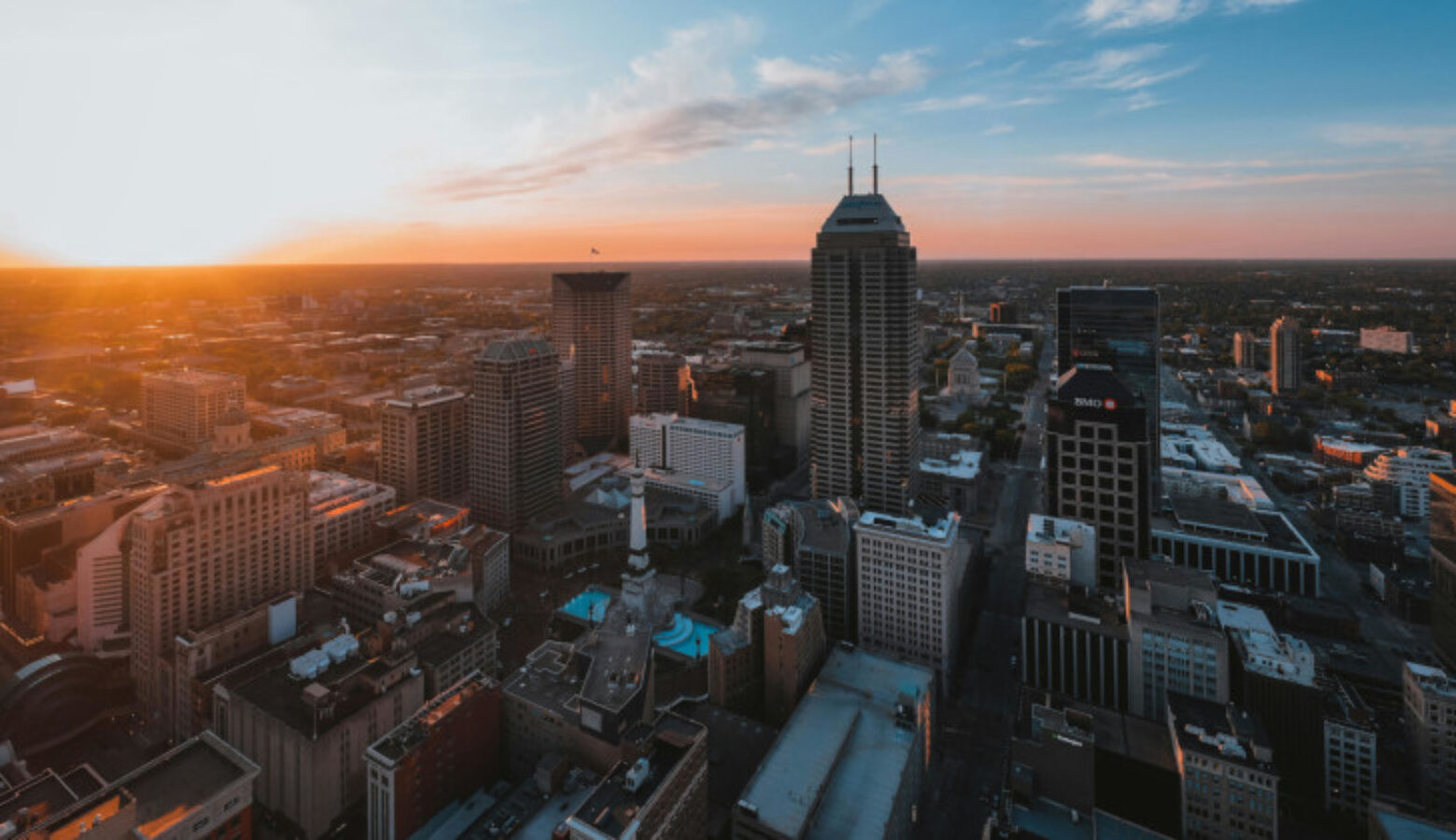
Indianapolis and its suburbs continued driving Indiana’s population growth last year as new U.S. Census estimates show the state added 38,579 residents to reach a total population of 6.97 million last year.
Boone and Hancock counties near Indianapolis were the fastest growing of Indiana’s 92 counties in the past year, but the estimates released Thursday also indicated continued struggles as 26 mostly rural counties lost population.
Indiana’s growth rate was faster than neighboring Kentucky (0.50%), Ohio (0.34%), Michigan (0.28%) and Illinois (0.13%).
The bigger picture
Indiana’s 0.56% growth rate for the one-year period ending July 1, 2025, ranked 22nd nationally and was slightly higher than the national 0.52% rate, according to the Indiana University’s Indiana Business Research Center.
The estimates for 2025 indicate continuing population patterns from recent years, with much of Indiana’s growth coming from the Indianapolis area.
Going back five years to the 2020 census, Marion County and its five largest neighboring counties grew by an estimated 104,000 people. That amounts to 57% of the state’s 183,000 population gain during that time.
Those counties saw six of the seven largest population gains since 2020, with Fort Wayne’s Allen County coming in with the third-biggest gain.
“As the 2025 numbers show, population growth is no longer a given with some counties seeing deaths outpacing births and national trends with fewer people moving,” said Rachel Blakeman, director of the Purdue University Fort Wayne Community Research Institute. “Larger counties, when measured by population, continue to be places that are growing, reflecting a confidence in their path ahead.”
The new census estimates reveal ongoing population struggles for rural counties as they make up nearly all of the 16 Indiana counties with declines since 2020.
That comes after population declines were recorded for 49 of state’s 92 counties between 2010 and 2020.
“The difficulty for most of Indiana’s rural and mid-sized counties is that population growth or decline now rests solely on their ability to retain existing residents or attract new ones, as a natural decrease of the population has become the norm in many communities,” said Matt Kinghorn, senior demographer at the Indiana Business Research Center.
Inside the population numbers
For the fourth consecutive year, net international migration was the largest source of Indiana’s growth, with a net gain of 17,852 people last year, according to the IU center.
But that net international migration to Indiana declined by 53% from 2024 to 2025. That period coincided with the first months of President Donald Trump’s second term and the start of his administration’s immigration crackdown.
Net domestic migration to Indiana more than doubled last year, from a gain of 6,024 in 2024 to 12,197 in 2025.
Meanwhile, Indiana had 8,561 more births than deaths in 2025, a 7% drop compared to the previous year.
“This marks the first time in the last four years that Indiana’s natural increase has declined, which suggests that the state’s post-pandemic rebound in natural increase may have peaked in 2024,” Kinghorn said.
Indiana county population changes during 2020-2025
Five with the most growth:
- Hamilton: up 38,025, 10.9%
- Hendricks: up 17,903, 10.2%
- Allen: up 16,222, 4.2%
- Marion: up 15,488, 1.6%
- Johnson: up 12,025, 7.4%
Five with largest drops:
- Miami: down 1,420, 4%
- LaPorte: down 985, 0.9%
- Knox, down 601, 1.7%
- Fulton, down 385, 1.9%
- Blackford, down 378, 3.1%
Source: Indiana Business Research Center
