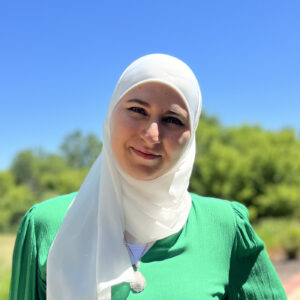
S03 E39 – We Put Down the Polls and Pull up the Covers
Listen

Audio Transcript
00;00;00;00 - 00;00;16;00
Luke Jones [voiceover]
Support for pop of culture comes from Stallings Wealth Management. Daniel Stallings, financial advisor, securities and advisory services offered through Cetera Advisors, LLC member, Finra. SIP C, a broker dealer and registered investment advisor. Cetera is under separate ownership from any other named entity.
00;00;16;02 - 00;00;19;26
Michelle Kinsey
This week on pop culture data about the arts,
00;00;20;01 - 00;00;21;05
Kara DuQuette
a new novel
00;00;21;08 - 00;00;23;04
Michelle Kinsey
and this writing duo.
00;00;23;05 - 00;00;34;18
John Marsh
Well, we have we have a story we like to share from a friend of ours that said to us, you guys, right, plays together. He says, my wife and I tried to paint the den together and ended up in a divorce.
00;00;34;24 - 00;00;41;12
Kara DuQuette
We're listening back to some of our recent favorites from the pop archives on this encore edition of the show.
00;00;41;14 - 00;00;42;20
Michelle Kinsey
That's coming up.
00;00;42;25 - 00;01;14;07
Luke Jones [voiceover]
Support for Pop of Culture comes from Stallings Wealth Management and from you. Funding for public radio has always been a little different. And in the past year it's been even more confusing. What's clear is this without federal or state funding, your support is essential in keeping local programing on the air. Pop of Culture exists for you and because of you. Become a supporter at Indiana Public radio.org.
00;01;14;09 - 00;01;18;17
Kara DuQuette
From Indiana Public Radio. This is pop of culture. I'm Kara Duquette
00;01;18;17 - 00;01;27;27
Michelle Kinsey
And I'm Michelle Kinsey. This week has been all about the midterm elections. You've probably heard quite a bit on this station about polls and data.
00;01;27;27 - 00;01;34;29
Kara DuQuette
So we thought we'd listen back to an interview when arts and culture crossed paths with data. We spoke with.
00;01;35;05 - 00;01;40;15
Elizabeth Yntema
Elizabeth Intima, president and founder of Dance Data Project. I go by Liza.
00;01;40;17 - 00;01;45;19
Nancy Dobbs Owen
Hi, I'm Nancy Dobbs Owen, and I am the external communications lead for Dance Data Project.
00;01;45;23 - 00;01;50;04
Kara DuQuette
We asked them, what is the Dance Data project?
00;01;50;06 - 00;02;23;11
Elizabeth Yntema
Dance Data Project is a not for profit that I started in 2015, and we used data to advocate for women in dance and the performing arts generally. But as part of that, we also advocate for transparency, best practices and educating the field. And that could be artists, that could be dance critics or, you know, performing arts critics. It can be parents of dancers.
00;02;23;13 - 00;02;30;18
Elizabeth Yntema
It could be audience members, and it can in particular be donors. So they get a sense of what's going on with the money.
00;02;30;20 - 00;02;35;03
Kara DuQuette
I think that's something we expect in this day and age. I certainly do.
00;02;35;05 - 00;02;59;02
Nancy Dobbs Owen
Yeah. I think it's really important that not only artistic directors, but executive directors, board members, also choreographers coming in. Dancers in the room understand how an organization runs and where the money comes from, where it's going and where it's allocated. Because the more transparency there is for everyone in the organization, the cleaner it's going to run.
00;02;59;05 - 00;03;23;11
Kara DuQuette
I completely agree. And then there's not room for people to make up their own narratives when they, you know, actually what's going on is out there for everyone to know. Will you talk a little bit about some of the inequities in the field of dance and what they are, and probably more specifically, the areas of dance that you've researched the most, which I believe is, ballet.
00;03;23;17 - 00;03;32;02
Kara DuQuette
Classical ballet specifically because I think a lot of people might see that as a field dominated by women. And I know.
00;03;32;05 - 00;04;07;10
Elizabeth Yntema
Exactly I'm going to do very broad brush and start with the big picture. We have produced 72 publicly available research studies since February of 2019. Wow. I firmly believe that those who most need this information are the least able to afford it. So we are here to serve the community, and I think a lot of folks in the performing arts have forgotten that under the IRS statutes, it's not about my artistic vision, my this, my that or.
00;04;07;10 - 00;04;37;18
Elizabeth Yntema
Excellent. Cetera. We are here to make the community better. And I'm just going to put it in really simple terms. When you go to The Nutcracker or Chazelle or whatever. Most people don't realize that about 40% of the women that you see dancing on the stage who are presenting as professional are very likely to either not be paid a salary, maybe they get a stipend, or they may actually be paying for the privilege of being there.
00;04;37;20 - 00;04;40;21
Elizabeth Yntema
Wow. Yeah. And I'll let Nancy pick it up.
00;04;40;27 - 00;05;11;18
Nancy Dobbs Owen
Right. So DDP looks at companies in the United States. We look at companies globally, we look at who's choreographing the pieces, who is setting the pieces, who is teaching the students and and rehearsing the ballets. And that's number one. Number two is we look at the way that the balance of gender shifts as the power increases. So you start in an organization that has 70% of the people in the organization are women.
00;05;11;19 - 00;05;35;18
Nancy Dobbs Owen
Right. And the students are girls, and the teachers in the lower levels are women. And then as you move up, the teachers suddenly start shifting. And being men and the people leading the organization, or male and the people setting the ballets or choreographing the ballets are male. And it actually shifts to 70% men, 30% women once you move into the leadership positions.
00;05;35;19 - 00;05;49;24
Nancy Dobbs Owen
These are very broad numbers. Obviously, they they shift slightly every year. But what we see as a as a community and what we see as a country is very different from what's actually happening on the ground. Right?
00;05;49;26 - 00;06;04;12
Kara DuQuette
So you're using quantitative measurement to persuade people as to the problems that are going on. How do you feel like that's going to work in bridging some of these inequities, like as opposed to qualitative data? You know what I mean?
00;06;04;13 - 00;06;30;14
Elizabeth Yntema
Like I am probably ridiculously optimistic. I do believe that when the data is out there. Change is inevitable. It won't happen right away. And we I mean, literally, we came out with three reports and somebody said, well, what change have you seen? And I was like, okay, come on, girl, deep breath. It was just like, wow, this stuff takes a while.
00;06;30;16 - 00;06;53;08
Elizabeth Yntema
What we have seen is that people are not denying there's a problem anymore. We also don't have to solve all the problems ourselves. And I'll let Nancy jump in. People keep wanting us to expand our mission. And again, we were. We work on less than a quarter of $1 million a year. We provide people the ammunition. But as Nancy sort of alluded to earlier, it's on donors.
00;06;53;11 - 00;07;05;00
Elizabeth Yntema
It's on the press. Thank you again for this interview. It is on the community in general to take our information and, you know, move things along. We can't do it all. I'll let Nancy come in.
00;07;05;01 - 00;07;10;08
Kara DuQuette
We have to collaborate for sure. Amen. So go ahead, Nancy.
00;07;10;10 - 00;07;30;04
Nancy Dobbs Owen
Yeah. I think what's really interesting is that you brought up quantitative data. And how does that change things? Quantitative data does not change things on its own. It is a great base then to do a qualitative study. But if you do the qualitative study first, it can be really easily dismissed as well. That was your experience. That was your feelings.
00;07;30;07 - 00;07;50;23
Nancy Dobbs Owen
So sorry you feel that way. And I'm sure that that is true. But if you then back that up with hey, here's the data. So my experience is not just my experience. This qualitative study is illustrating the effects of this data, not creating the story. Sure, we should be able to make change by saying, hey, I want my chance to.
00;07;50;26 - 00;08;03;16
Nancy Dobbs Owen
But all of these systems are very entrenched. So the more that you can say, hey, this is just fact, there is no feeling involved in this whatsoever is going to be a much stronger tool to move forward with.
00;08;03;21 - 00;08;34;20
Elizabeth Yntema
We want to show folks that, well, yes, you may love being an artist. This is a job. It should be compensated. Yes, it is a work environment. It should not be toxic. You should not be able to drag a dancer around by the hair to keep them rehearsing until two in the morning. And I think it's really important to remind everybody these are professionals or or people who want to be professionals, and they need to be, you know, they need to be treated with dignity.
00;08;34;20 - 00;08;55;05
Elizabeth Yntema
And again, if you're sitting in the audience and seeing the pretty thing happening, it's easy to forget that that these folks have spent years training. And we also believe that it's entirely possible to bring some workplace safeguards for not a lot of money into dance, into theater. ET cetera.
00;08;55;07 - 00;09;17;03
Kara DuQuette
Well, you must at this time, you know, I mean, that's always been the case, but the artistic, the trope of the artist and the fact that they don't have a professional role or they don't need to be compensated. What you started this interview with as it's a privilege just to be there, you know, that's crazy. And I want to know what's next for you all.
00;09;17;03 - 00;09;21;08
Kara DuQuette
What are you looking forward to as things change?
00;09;21;11 - 00;09;44;16
Elizabeth Yntema
Well, we think I think that some of the most exciting, dynamic stuff in dance, in performing arts generally is not necessarily in New York or in San Francisco or Chicago. There is so much richness. There are so many exciting things going on. We think there's the the arts fabric, the cultural fabric, which is going to keep us united.
00;09;44;16 - 00;10;09;18
Elizabeth Yntema
Small d democracy as a nation takes place in smaller cities. The work is incredible. The level of training is incredible. You said collaboration. You find far more collaboration in smaller towns. We were just in Charlottesville. Everybody talks to everybody because they can't survive otherwise. So past data, what is DDP doing? I will let Nancy take over because she's sort of architecting this.
00;10;09;18 - 00;10;10;12
Elizabeth Yntema
Go, Nancy.
00;10;10;19 - 00;10;54;20
Nancy Dobbs Owen
So we have a brand new, digital exchange that we are rolling out. We are in the beta testing right now, and we will be rolling it out completely in September. And this is basically an interactive map, plus a database of every single artist who register for it behind the scenes. So we're not talking dancers performers, but we are talking directors, choreographers, lighting designers, musicians, intimacy coordinators, stylists, reporters, dramaturg, all of the people who put productions on the stage and what individuals who are hiring can do is put in their city and then put a radius out of how far they want to hire from.
00;10;54;20 - 00;11;19;07
Nancy Dobbs Owen
And everyone who has any of the qualifications that they are looking for will pop up on the right side of their screen. So this is a designed to break through the, you know, old boys network in a way. It's designed to keep, hiring local so that we're not going to the same five people. Right. This is a very, very gate kept industry.
00;11;19;09 - 00;11;36;27
Nancy Dobbs Owen
You get hired by who? You know, I'm currently in Cedar City, Utah, which is a small but highly artistic community. The Utah Shakespeare Festival is here, and even here, people are being brought in when we have an entire university of people who are majoring in all of these things.
00;11;36;29 - 00;11;53;11
Kara DuQuette
You're both speaking our language that we talk about all the time here at Pop of Culture. Thank you for speaking with us. We've been talking to Liza Yntema and Nancy Dobbs Owen of the Dance Data Project, a nonprofit working to promote gender equity in the arts through data.
00;11;53;16 - 00;11;55;07
Elizabeth Yntema
Thank you for the opportunity.
00;11;55;11 - 00;11;56;25
Nancy Dobbs Owen
Thank you so much.
00;11;56;27 - 00;12;04;09
Michelle Kinsey
That interview came earlier this season in episode 24.
00;12;04;11 - 00;12;33;19
Kara DuQuette
Have you been avoiding political ads for the last month? Shutting off the TV, shoving your nose in a book? We thought we'd listen back to our recent interview with Shifa Saltagi Safadi. Her new book for middle grade readers is called Sisters Alone. It's about two sisters surviving a blizzard. Evening temperatures this weekend are in the 30s, by the way. Our co-host Jen Blackmer, started by asking Shifa how she got started as a writer.
00;12;33;21 - 00;12;58;28
Shifa Saltagi Safadi
You know. I've always, always loved. And this is probably so cliche to say, but I've always loved writing since I was a kid, since I emigrated with my parents when I was a little girl from Syria to America. And I remember in English as a second language class. One of the tips for my teacher was that if you read that, books might be the key to learning English, and I took that to heart, I my dad went and got me all the books.
00;12;58;28 - 00;13;23;24
Shifa Saltagi Safadi
I remember Boxcar Children, Nancy Drew, all these series from garage sale on the neighborhood. And then I just I couldn't get enough of books. I loved stories, and, you know, I remember I still have a binder of some stories I jotted down when I was a little girl, and and I just couldn't kick the habit. And, and, you know, I grew up and I didn't pursue it until I became a mom myself.
00;13;23;26 - 00;13;27;27
Shifa Saltagi Safadi
But it's always been a dream of mine, and I'm so grateful to be doing it.
00;13;28;01 - 00;13;35;10
Jen Blackmer
So what was it about becoming a mom that made you want to write these stories down?
00;13;35;13 - 00;13;59;10
Shifa Saltagi Safadi
It was only after I was searching for books for my own children, and I came across my first book that represented my identity as a muslim American, that I was reminded of my dream. And I think subconsciously, a part of myself, like, you know, I grew up, I loved reading, and I see myself in every book, but I never saw a book that had a character who was almost a or an Arab.
00;13;59;13 - 00;14;21;18
Shifa Saltagi Safadi
And so subconsciously, I think I just told myself, like, I don't belong on the bookshelf. And who would read my stories because they weren't ever around. So when I came across that first book and I was getting books for my kids, I remember crying and I was like, so emotional. And it just reminded me of the fact that, like, it's that what I wanted to do.
00;14;21;21 - 00;14;42;18
Shifa Saltagi Safadi
So to. Right. And also that, you know, I exist and my existence is valid and that bookshelves do have my existence on them. And so I was like, you know, let me, let me try this thing. Let me try going back and doing it. And, and it took a few years of querying and learning. And because definitely studying Shakespeare in college doesn't prepare you for writing your own.
00;14;42;19 - 00;14;45;04
Jen Blackmer
Absolutely. Yes. You're right.
00;14;45;07 - 00;15;03;27
Shifa Saltagi Safadi
They're totally different fields of craft. So I went ahead and took so many more, courses online to kind of give myself a little sort of mini MFA, if you will. And then I succeeded in road and very, you know, happy to be where I am right now.
00;15;04;00 - 00;15;24;26
Jen Blackmer
Absolutely. Now, you mentioned that you emigrated to America from Syria and that there's something very powerful about seeing yourself represented in the pages of a book. Can you talk a little bit more about what that was like as a, as a young girl coming from Syria? Is that correct?
00;15;24;28 - 00;15;56;05
Shifa Saltagi Safadi
Absolutely. I mean, you know, books were definitely the way I learned English, the way I even explored being American, because, you know, when you immigrate, you're very much still navigating that identity of being between. Because, you know, growing up in America, I'm not technically fully 100% Syrian. I'm, you know, going to school. I'm learning English, definitely. Now, English is my stronger language, even though I started off needing, you know, English language lessons when I was a little girl.
00;15;56;08 - 00;16;14;00
Shifa Saltagi Safadi
And you kind of feel like this sort of multicultural identity that you're not sure of. And, books were definitely the way for me to kind of belong. I still pronounce things wrong because I think I read them rather than heard them.
00;16;14;02 - 00;16;15;24
Jen Blackmer
That's okay. We all do that.
00;16;15;26 - 00;16;17;02
Nancy Dobbs Owen
We all do. A reader.
00;16;17;02 - 00;16;19;24
Shifa Saltagi Safadi
Is, I think it's a reader thing, I realized, not just a meeting.
00;16;19;25 - 00;16;21;10
Jen Blackmer
And I'm proud of it, actually.
00;16;21;11 - 00;16;43;11
Shifa Saltagi Safadi
Absolutely. I am such a proud person. To be a reader like you. You just expand your worldview. And, you know, reading just showed me like what was possible. It helped me feel like. And we moved a lot when I was a little girl. And books were always there for me. Right? They were, you know, I could see myself in the pages, but definitely not seeing myself as a muslim met.
00;16;43;11 - 00;17;02;00
Shifa Saltagi Safadi
My writing was different. So when I look at my writing when I was a little girl, I would write stories where, you know, characters didn't have names that sounded like mine, where they, you know, I, you know, name them Stacey or Elizabeth or, you know, names that I felt like belonged in books because the stories that I was reading didn't have me.
00;17;02;03 - 00;17;23;28
Shifa Saltagi Safadi
So definitely seeing that representation start on the shelf. And I always credit my, I call them my older sisters who opened the doors of writing the authors that, you know, kind of pushed open the door and started off the the spaces where I could see myself. They inspired me to be brave enough and tell my story and feel like it's worth telling and worth listening to as well.
00;17;24;02 - 00;17;29;13
Jen Blackmer
I love that. So tell us about your new book, Sisters Alone.
00;17;29;15 - 00;17;47;23
Shifa Saltagi Safadi
Sisters alone is about two sisters who get stuck home alone in a blizzard, and they have to navigate their fractured relationship, deal with the loss of their mother, and find their way to survive both the storm, the internal storms between them, and the external raging blizzard outside.
00;17;47;25 - 00;18;14;17
Jen Blackmer
And you mentioned the sort of in-between space of being an immigrant, and your book captures that feeling, I think, so beautifully, and especially because you're writing about middle schoolers. Right? So in addition to being an immigrant family, they're also middle school sisters, which is very much a in-between time. Right. Can you talk about that a little bit?
00;18;14;19 - 00;18;35;09
Shifa Saltagi Safadi
Absolutely. I think middle grade is the perfect John, to talk about being sort of stuck in the middle because you're in between being an adult and a child, and yet in your mind you feel like you should have a figured out. I remember being in middle school and high school, being a young tween and teen, and just feeling like, why am I struggling so much?
00;18;35;09 - 00;18;57;19
Shifa Saltagi Safadi
Like I should have it together and, and you kind of start being aware of the stakes of the world. You start, you know, being aware more of these adult concepts. And I love exploring that. I love exploring human nature choices. I think we all are coming of age at that. At that age, whether you're a child of immigrant or not, you're exploring who you are.
00;18;57;22 - 00;19;22;16
Shifa Saltagi Safadi
You're trying to navigate. You're pushing against the boundaries of what your parents expect you to do, and you very much feel like you should have it all together. But the choices are not fully there. And I love exploring those choices and seeing what stories can be told by asking the questions of like, what would happen if two sisters got stuck home alone in a blizzard and did not tell anybody, right?
00;19;22;17 - 00;19;23;00
Jen Blackmer
Yeah.
00;19;23;04 - 00;19;25;15
Shifa Saltagi Safadi
And disastrous things happen.
00;19;25;16 - 00;19;49;20
Jen Blackmer
It's this, it's this it. And it is. It's very the situations that they're in are very tense. You don't know what they're going to do. It's and it's dangerous. I mean, what happens to them is dangerous. And it's because of that you really very effectively capture that space between, you know, being an adult, having to be responsible, but then also wanting to curl up on your mother's lap.
00;19;49;21 - 00;20;21;28
Jen Blackmer
Right. And and not only is this a difficult situation for them currently, but also, you know, they're dealing with a very difficult emotional situation in the loss of their mother. And that that actually brings me to my next question, which was, so this the book has such a powerful style. It's it's written in verse. It's written in sort of a of a blank verse style, which is a there's an economy of, of text there in language.
00;20;21;28 - 00;20;34;04
Jen Blackmer
And I know that this is not your only book that is written this way. Is that correct? Talk about your talk about that as a as your style, you know, what is it about this, this choice that is effective for you?
00;20;34;06 - 00;20;56;10
Shifa Saltagi Safadi
I love poetry so much. And I think poetry gets such a bad rap with kids in particular. When I taught middle school English, those kids, when I would bring up the poetry unit, everyone would grow in in the class, like, oh my gosh, please, no. And it's so funny because poetry is my favorite, simply because it really doesn't have rules.
00;20;56;13 - 00;21;17;05
Shifa Saltagi Safadi
I mean, we think when we think of poetry, we think Doctor Seuss or rhyming or limericks, and definitely those are a part of poetry. But my favorite part of free verse is that there are no rules to free verse, that it literally is just such a emotional experience where you write on the page and, and you write your full truth.
00;21;17;05 - 00;21;56;08
Shifa Saltagi Safadi
And that's what I love about poetry is when I'm writing these novels, I feel like I'm able to really dive into the character and let their complete and utter honesty show on the page. And it's also less word count, which, yeah, I've really, you know, I love I love speeding through books. I love feeling accomplished. And in a way, how I started describing poetry to, kids that I visit during school visits is poetry is like a TikTok reel, because when you open a verse novel, you're essentially getting a poem, master poem, master poem, and there are stories, right?
00;21;56;15 - 00;22;14;05
Shifa Saltagi Safadi
And each is like its own little TikTok of information, and they connect together in a long narrative. And in a way, it's like you get that burst of dopamine every time you finish a poem, and you also feel so accomplished quickly because the book goes by faster.
00;22;14;07 - 00;22;31;26
Jen Blackmer
And so I didn't even think about that as I was reading it, because I read it in an afternoon. And when I when I saw the book, I was like, oh, this is, you know, hefty. It's going to take a while. And then when I was done, I'm like, oh my gosh, that was so much in in a sparse amount of text.
00;22;31;28 - 00;23;05;07
Shifa Saltagi Safadi
And that's precisely what I think of poetry is. There is so much emotion, characters, plot. You know, the the craft of the story is very much just like the craft of a full length novel and prose, but you're condensing it all into only the words that belong on the page, only the words that are needed. And also it's sort of musical because the words, you know, there's this past where me and my editor go through, and I make sure that the poetry has a cadence to it, a rhythm that that feels pleasant.
00;23;05;09 - 00;23;16;17
Shifa Saltagi Safadi
And and I my hope is that the book is easy to read, fast and pleasurable to read, despite the emotional themes that you feel that cadence, and it sweeps you away.
00;23;16;19 - 00;23;23;11
Jen Blackmer
It definitely does. So why Indiana? Why Valparaiso? How did you wind up there?
00;23;23;12 - 00;23;24;14
Shifa Saltagi Safadi
I mean.
00;23;24;17 - 00;23;45;22
Shifa Saltagi Safadi
Well, you know, we moved a lot. We came to Ohio first, so we came to Dayton was my first, city of America from Syria. And then my dad eventually moved to Indianapolis, and I was there for my high school years. I was at IP before I got married, and then I got married. And my husband's from actually northwest Indiana.
00;23;45;22 - 00;24;07;21
Shifa Saltagi Safadi
He's from Valparaiso, born and raised here. And so I moved up here to be with him. And we're that's this is where my kids are. And it's home now. I it's just honestly, something about the Midwest is just special too. I don't know, I mean, we get the seasons and we get, you know, a little bit of moody Indiana weather, but I think we have a nice fall, spring, summer, winter.
00;24;07;21 - 00;24;14;20
Shifa Saltagi Safadi
And I like experiencing my, my, my body and my spirit are just used to it. Now, this is this is home.
00;24;14;21 - 00;24;38;00
Jen Blackmer
This is definitely home to me too. So I that makes a lot of sense to me. What a joy it is to meet you and to discuss your work and your book. Sisters alone is the new book from National Book Award winning author Shifa Saltagi Safadi, who is chatting with us today from Valparaiso, Indiana. Sisters alone is out now.
00;24;38;02 - 00;24;40;27
Jen Blackmer
Shifa, thank you so much for your time.
00;24;41;00 - 00;24;42;22
Shifa Saltagi Safadi
Thank you for having me.
00;24;42;25 - 00;24;46;19
Michelle Kinsey
That interview aired earlier this season in episode 31.
00;24;46;24 - 00;24;59;08
Michelle Kinsey
Also. A quick note about our co-host Jen Blackmer: she's overseas, but we look forward to having her back in the New year.
00;24;59;10 - 00;25;02;06
Michelle Kinsey
This is pop of culture. I'm Michelle Kinsey.
00;25;02;07 - 00;25;11;06
Kara DuQuette
And I'm Kara DuQuette. This week has been all about the midterm elections. So we're taking a break while the democratic process has the spotlight.
00;25;11;09 - 00;25;31;29
Michelle Kinsey
But what about the limelight? John and Jenni Marsh are a local playwriting team. They're also directing the upcoming rendition of It's a Wonderful Life at Muncie Civic. IPR’s Abby Urban spoke to them this year after they wrote and directed The West Wind, also at Muncie Civic. It was their third play together.
00;25;32;01 - 00;25;36;09
Abby Urban
So when did when did writing all start for both of you?
00;25;36;12 - 00;25;39;00
Jenni Marsh
[laughing] We both started to answer... you go first.
00;25;39;01 - 00;26;03;13
John Marsh
Okay, well, the West will kind of work. Our way back was the West wind is is our third show that we've written together. And it's a, it's a comedy like the others. We write comedies and it just have a lot of fun doing it together. You know, it's our it's our relaxation and our on our escape and so on.
00;26;03;16 - 00;26;31;08
John Marsh
And our first show was called Fixing Up, and we started it in the mid 90s, and we were raising little kids at the time, so we didn't have much time, you know, to, to to work on it. So sometimes a year or two would go by. So it took us several years to get that one done. And then we sent it off to contests and it actually won the McLaren Comedy Festival, a playwriting competition in Midland, Texas.
00;26;31;08 - 00;26;44;29
John Marsh
And so it was produced down there in, in May of 2015. And then our second play was Katzman jamas which we, we workshopped and was first put on here at Muncie Civic Theater.
00;26;45;01 - 00;26;58;19
Jenni Marsh
It was not a fully produced play, but it was a staged reading. And we did rewrites during the rehearsal process. So the cast had scripts in hand because we had made edits and updated things as things evolved.
00;26;58;20 - 00;27;02;01
John Marsh
But it did have sets and costumes and props and so on.
00;27;02;03 - 00;27;06;16
Abby Urban
So was it like redoing the like rewriting it as they were like doing it?
00;27;06;18 - 00;27;26;08
Jenni Marsh
It was really fun. It was, you know, we'd see something in the evening rehearsal that we didn't like, or we thought we could do a little better. We'd go home, we'd work on the pages till all hours. It was kind of exhausting, really, because we had to get up into our day jobs in the morning and then come back to rehearsal with the new pages to see how it played out.
00;27;26;10 - 00;27;41;03
Jenni Marsh
And the other thing that was really special about that production was there was an audience feedback session after the performances, so audience members could ask questions or comment on things they didn't like or liked. And so all of that helped kind of take that play to the next level.
00;27;41;04 - 00;28;07;00
John Marsh
Yeah. We were taking notes and and all and you know, plays are meant to be heard, right? I mean, you you write it and you can you can read it and get a sense of it, but you kind of really don't know until you hear, you know, hear it. And the West Wind, we kind of just workshop with just informally at our house, with some of our civic friends, you know, coming and reading it and, you know, and then tweaking it and so on.
00;28;07;03 - 00;28;08;09
John Marsh
After that.
00;28;08;11 - 00;28;11;06
Abby Urban
So why write comedies?
00;28;11;09 - 00;28;34;16
Jenni Marsh
I think the world needs more laughter in it, for starters. I was involved in drama club when I was in high school, and I always loved the screwball comedies like Arsenic and Old Lace and You Can't Take It With You, those kinds of shows that just have a cast of characters that are just zany and living their best individual lives, and the circumstances they find themselves thrown into.
00;28;34;18 - 00;28;46;03
Jenni Marsh
So, our first two plays are true farces, and that's a space we really love to be in. Our day jobs are kind of serious, so we like to laugh and giggle and just be not serious at all.
00;28;46;03 - 00;29;05;29
John Marsh
And I think a lot of other people, you know, like to do that, to just be taken out of themselves and have fun and end up, you know, leaving feeling good and, and happy, you know, for, for those moments, I think that's really important. I mean, we really believe in humor as a, as an important part of our, our lives, right?
00;29;06;01 - 00;29;15;28
John Marsh
And dealing with the things that go on in our lives. And so, you know, yeah, comedy sounds like it's just frivolous and extra, but really it's important.
00;29;16;00 - 00;29;20;25
Abby Urban
What has it been like writing together and doing this together?
00;29;20;28 - 00;29;44;07
John Marsh
Well, we have we have a story we like to share from a friend of ours that said to us, you guys, right, plays together. He says, my wife and I tried to paint the den together and then up in a divorce. So it's it's so much fun. I mean, at this point in our lives, we can do it without having our ego heavily tied up in it, right?
00;29;44;09 - 00;30;06;06
John Marsh
And so we just have the fun of the creative process. We, you know, that we brainstorm the ideas together, you know, and we kind of oftentimes start with a set. And this one, it was like, well, how about a train. You know, let's that might be kind of challenging. Well let's try and do that. We brainstormed the characters and and and and you know what each of them are trying to do and so on.
00;30;06;08 - 00;30;11;29
Jenni Marsh
Yeah. And, you know, this guy makes me laugh every single day. Some days we just write down funny.
00;30;12;00 - 00;30;14;15
John Marsh
Sometimes intentionally.
00;30;14;18 - 00;30;31;29
Jenni Marsh
We just write down the funny things that happen in real life, and that turns into a story or a play, which is certainly the case in Fixing Up, which is based on a couple that's fixing up their house and their brother. And, it was kind of based on some.
00;30;32;06 - 00;30;35;15
John Marsh
Yeah. It has.
00;30;35;17 - 00;30;46;28
John Marsh
Yeah. So some of those stories didn't have to be changed too much to be put into the, into the play. But you know. Right, right. What you know and, and and that's where I think, you know, you can be the most authentic.
00;30;47;00 - 00;30;51;20
Abby Urban
How did you find out like, oh, we're going to right place together. Like that's what we're going to do.
00;30;51;23 - 00;30;55;02
Jenni Marsh
We kind of stumbled upon it.
00;30;55;04 - 00;31;12;25
John Marsh
We both we both like to create and write, and we've always done that. I mean, in fact, one of our first dates, we were sharing, writing what we each other had written, you know, poems and, you know, things like that. I'd had an interest in theater, and she had a lot of performing experience in high school and.
00;31;13;00 - 00;31;31;01
Jenni Marsh
Well, well, and, you know, when I, we were just talked about, wouldn't it be fun if we could fix his brother up with someone at the time? And then we're like, oh, wouldn't that be a fun plan? You know what? If we tried to host something in this disaster of a house we're fixing up right now? Doing it ourselves?
00;31;31;08 - 00;31;40;22
John Marsh
Wait, does he know that character is based on him? This might be a reveal right here for your audience.
00;31;40;24 - 00;31;48;20
Abby Urban
What has been your favorite? To either write or to direct or both?
00;31;48;26 - 00;32;10;05
Jenni Marsh
Well, we we kind of stumbled into the directing, process. Michael O'Hara had directed Cat's Pajamas, and he was on tap to direct Fixing Up when it was going to be produced here at civic, and a scheduling conflict prevented him from being able to do it. And civic said, why don't you guys direct? We've been wanting to get you to direct shows for a while now.
00;32;10;05 - 00;32;15;04
Jenni Marsh
Let's see what you can do. And so we directed that show and absolutely love it.
00;32;15;05 - 00;32;15;22
John Marsh
We loved it.
00;32;15;23 - 00;32;44;06
Jenni Marsh
Yeah. And they invited us to come back. And so we directed The Importance of Being Earnest, which was a really magical experience that we just had a phenomenal cast. It's a brilliant play by Oscar Wilde, and we just we had fun with the set and the staging, and it was a fantastic experience. So when it came time to put this play into the, consideration for this season, they said, would you direct?
00;32;44;06 - 00;32;46;00
Jenni Marsh
And and we said, yes.
00;32;46;03 - 00;33;00;15
John Marsh
We love it. We love the collaborative process of it. You know, we love the fact that, you know, everybody is coming here, you know, to, to enjoy themselves, to express themselves, to, to tap into their creativity.
00;33;00;18 - 00;33;14;08
Jenni Marsh
And it's so interesting to sit with pen and paper or at the computer and imagine this world and imagine these people. But the amazing, talented cast, we have made these people whole.
00;33;14;10 - 00;33;22;22
Abby Urban
Why do you think it's important for local artists like yourself to have voices in local art spaces like the civic.
00;33;22;24 - 00;33;56;28
Jenni Marsh
Art and culture creates greater empathy and understanding of the human condition and relationships. And the more you expose yourself to stories and culture, the more empathy you have, the more you understand your fellow humans and are more likely to, just be respectful, be understanding, give some grace. And I think it's really, really important that Muncie foster creativity and culture and arts because that just fosters better citizens.
00;33;57;01 - 00;34;18;05
John Marsh
It takes a lot of courage, you know, for people to, you know, do creative things and put themselves out there. And here I'm crediting the cast and and crew and so on. You know, tremendously. They, you know, they come in here and, and they're stretching themselves. Right. And and, that pays off so many benefits in your life, right?
00;34;18;06 - 00;34;28;07
John Marsh
You, you, you, you know, people who push themselves in those kinds of experiences. It's it's yeah, it's just going to pay off benefits and how you deal with life.
00;34;28;10 - 00;34;31;01
Abby Urban
So what's next? Do we know what's next?
00;34;31;04 - 00;35;00;08
Jenni Marsh
We have a play in the works. It's mostly just us talking about it over breakfast and jotting down notes and then finding all those notebooks and notes. And starting to put some pieces together. We have an idea for a show that is actually not a play but a dance. So we're working on that. I mean, we just have different we have different ideas and we just pursue them on the side as we find time.
00;35;00;10 - 00;35;08;12
John Marsh
And we're going to be directing next, next season on the main stage. We'll be directing the Christmas show It's a Wonderful Life.
00;35;08;14 - 00;35;09;22
Jenni Marsh
And we're very excited.
00;35;09;25 - 00;35;11;06
John Marsh
Yeah, super excited about that.
00;35;11;07 - 00;35;14;15
Jenni Marsh
Very fond sentimental favorite for sure.
00;35;14;18 - 00;35;17;27
Abby Urban
Well thank you guys so much for [unintelligble] and talking with us about everything.
00;35;18;04 - 00;35;18;19
John Marsh
Thank you.
00;35;18;26 - 00;35;21;05
Jenni Marsh
Yeah we appreciate it.
00;35;21;08 - 00;35;24;28
Michelle Kinsey
That interview first aired in April of this year.
00;35;25;00 - 00;35;43;20
Kara DuQuette
Speaking of the stage, this encore of Pop of Culture goes on after this from IPR.
00;35;43;23 - 00;35;55;15
Michelle Kinsey
We're in the last two months of 2027. The new performing arts center in the village next to Ball State is scheduled to open in December. The hotel attached to it will open in the new year.
00;35;55;17 - 00;36;02;22
Kara DuQuette
Some of the glass artwork inside the hotel is made by Brent Cole. He's an associate professor of art at Ball State.
00;36;02;28 - 00;36;07;04
Michelle Kinsey
Our former co-host, Maya Doss asked him, what are you working on?
00;36;07;08 - 00;36;11;17
Brent Cole
Currently, I'm working on, making glass trees.
00;36;11;23 - 00;36;12;11
Maya Doss
Oh, nice.
00;36;12;13 - 00;36;38;23
Brent Cole
It's cool. Interested in the science of dendrogram, where they use tree rings to date items. And currently, my former colleague Jacinda Russell from the photo department, and I have a show up in Tucson. It is kind of working with their archive, translating their archive from a scientific perspective into one that factors in an artistic perspective.
00;36;38;27 - 00;36;45;06
Maya Doss
That's so interesting. So you're using glass to translate like scientific ideas.
00;36;45;08 - 00;36;56;03
Brent Cole
Glass and mixed media. Yeah. I have been making the tree rings out of bureaucratic paperwork that I've accumulated as a professor for the last 15 years at Ball State.
00;36;56;04 - 00;36;59;19
Maya Doss
I love that. So it's kind of like eco friendly.
00;36;59;21 - 00;37;07;15
Brent Cole
Eco friendly, and also taking some of those records and using them in a collaging manner with the work.
00;37;07;22 - 00;37;20;07
Maya Doss
Which is kind of interesting because it's about tree rings, right? Which is like an archive or a record of that trees life. Right. And you're using old paper? Yeah. It just circled right around full, full circle moment.
00;37;20;08 - 00;37;44;19
Brent Cole
Well, if you don't mind, I need to give you a little bit of a backstory. What's kind of interesting is the gentleman that founded the dendrochronology lab. Lab of tree ring research was actually an astronomer, and he had set up a observatory. But what was interesting is the person that had financed it. We're sure that what he was seeing through the telescope were canals on Mars.
00;37;44;19 - 00;38;20;26
Brent Cole
And that's when the whole Mars alien thing started. And, this particular gentleman, I think his last name was Douglas, refuted his benefactors conclusions about aliens actually being on Mars. And so he was kindly asked to exit stage left. And so he went to Tucson and started observatory there. But the way he got interested in dendrochronology was he was trying to prove that he could find where solar flares had happened because of tree rings.
00;38;21;00 - 00;38;22;00
Maya Doss
Oh that's interesting.
00;38;22;01 - 00;38;40;28
Brent Cole
And he wasn't able to see it come to fruition in his lifetime. But they did recently prove that you can actually see where these solar flares happened. But Arizona became a perfect place because the tree sections can be stored and can be stored in a in a manner in which they're kept dry.
00;38;41;05 - 00;38;42;10
Maya Doss
Right.
00;38;42;12 - 00;39;06;21
Brent Cole
And I've been making some fungus. And so I ended up making it so that some of these fungus were kind of growing off of this tree ring research. So I was interested in this thought that, like, you know, through some of our own endeavors, we've set this system in motion where the things that we feel like we need to save, that are giving us knowledge or actually things that we're destroying at the same time.
00;39;06;27 - 00;39;10;03
Maya Doss
So what have you learned from this project that you've been working on?
00;39;10;05 - 00;39;31;20
Brent Cole
I've always been interested in navigational methodologies, so I made work about boys. I've made work about the stars. I'm still making some work about the stars, but a lot of it is my interpretation of like, making my way through life as an artist. And as you know, as a fellow artist, it's not always an easy path and it's not always laid out in front of you.
00;39;31;20 - 00;39;51;29
Brent Cole
And so I try and express that, for me, the interesting thing is thinking about astronomical time and thinking about how short our time on the planet is and overlapping kind of my history. And then maybe the viewers history with acknowledging, you know, how how small of a bandwidth we actually have on this planet.
00;39;52;02 - 00;40;04;22
Maya Doss
That's fascinating. I feel like you have such big conceptual ideas that you're trying to navigate, and it's almost like this feeling of, I have this one small little human life, but I'm so in all of, all the wonders of the world.
00;40;04;29 - 00;40;05;20
Brent Cole
Yeah, exactly.
00;40;05;22 - 00;40;07;06
Maya Doss
Where do I fit in all of that?
00;40;07;11 - 00;40;36;27
Brent Cole
Right now, I'm working on a, wedge of the sky, and so I have to go and get it waterjet cut. And then I will take that flat sheet of glass that has stars on it, and then try and slump it over kind of a portion of the, like the, the globe wedge. And then what I want to do is make it look like a portion of the sky is missing out of like this dome or hemisphere, like you would see, at the planetarium.
00;40;37;01 - 00;40;37;19
Maya Doss
Like Chicken little.
00;40;37;19 - 00;40;39;06
Brent Cole
Like chicken little. Yeah.
00;40;39;09 - 00;40;41;07
Maya Doss
The sky is falling!
00;40;41;10 - 00;40;41;24
Brent Cole
Yeah.
00;40;41;27 - 00;40;43;05
Maya Doss
Sorry.
00;40;43;07 - 00;40;45;25
Brent Cole
Seems to be apropos with the time we're all dealing with.
00;40;45;26 - 00;41;08;09
Maya Doss
So, yeah, it does feel appropriate. Well, that's super cool. I love hearing about how my professors that have had in the past are actual artists that have really amazing ideas. So you work almost every day over at Marilyn K Glick Center for glass. For the listeners. Brant is a masterful glass worker. Watching him, it feels like watching a wizard.
00;41;08;13 - 00;41;11;05
Maya Doss
And you're teaching classes this semester.
00;41;11;11 - 00;41;31;22
Brent Cole
I am, I'm teaching two intro to Glass classes, and then I'm teaching an immersive class where we are taking on the new University hotel as a client, and we are responsible as a class for designing and making the elements that will be in the hotel lobby.
00;41;31;29 - 00;41;41;16
Maya Doss
How do you, as an artist and a professor, balance that like? I am a guiding light for others, but I'm also charting my own path and my artistic practice?
00;41;41;18 - 00;42;07;03
Brent Cole
Well, I think it's about trying to figure out where the flow is at and being able to allow students to participate in that flow, and also figuring out when I can carve out time to give myself enough, freedom in the studio to allow ideas to kind of crash together and coalesce. I would say that for myself, I tend to work more from a collage standpoint.
00;42;07;05 - 00;42;27;26
Brent Cole
I'm thinking about concepts and making work. You know, I'm thinking about things conceptually being collage that like this thing I'm not sure about, and this other thing I'm not sure about, but by happenstance, maybe there's a relationship between those two things, and maybe I can leverage that towards something that I hadn't thought about, and maybe the viewer hadn't thought about.
00;42;27;29 - 00;42;31;00
Maya Doss
What draws you to the different mediums to express different ideas.
00;42;31;03 - 00;42;54;06
Brent Cole
When I was your age as a student, I think I looked at some of those things as limitations. But I, find that I can express myself differently through different materials. And sometimes the glass isn't necessarily the best material to bring that concept to fruition. So if I can't say what I need to say in glass, that I can say it.
00;42;54;06 - 00;43;10;21
Brent Cole
Maybe with mixed media I can say it with a collage. And a lot of times drawings. I find, I do drawing in the beginning and then many times I'll do drawing somewhere in the middle. Like when I get stuck. I find drawing to be a really nice way to get unstuck.
00;43;10;23 - 00;43;22;19
Maya Doss
Totally. I agree, I wanted you to maybe explain for our listeners what the differences between working in like a hot shop and a cold shop, and the different artistic possibilities you can get from those spaces.
00;43;22;23 - 00;43;32;03
Brent Cole
Well, as you know, having taken the class, the material that I've decided to spend a lot of my time in is not a kind material.
00;43;32;06 - 00;43;33;14
Maya Doss
Very hard.
00;43;33;17 - 00;44;01;05
Brent Cole
So. And it's hot. It's not kind. And when it's cold, it's not kind, but I think it's material characteristics. Keep drawing me back. We have preconceived notions of what the material can do, but the material can look like a lot of different things. And it's interesting because we fall into all of these tropes. And I think one of the things that, you know, we hear over and over again is, oh, it's about fragility and it's about, you know, ghostlike images.
00;44;01;05 - 00;44;21;23
Brent Cole
And I'm hoping that I can go beyond some of the standard tropes that happen when you talk about work out of glass. Many times we're having to use other materials to either support or hang or augment the material, and it's nice to try and bring in those characteristics into the conversation.
00;44;21;26 - 00;44;33;01
Maya Doss
That's so fascinating, and I've really appreciated your kind of scientific perspective overlapping with art. I think that's been really interesting to talk about. Where could our listeners go to see your work for themselves?
00;44;33;08 - 00;44;42;14
Brent Cole
Google me now. You can find my web page. If you just go to Brant Cold Glass, it should pop up and you can see some of my work there.
00;44;42;15 - 00;44;46;02
Maya Doss
Awesome. Thank you so much for coming on the show today, Brant.
00;44;46;02 - 00;44;47;24
Brent Cole
Thank you very much for having me.
00;44;47;26 - 00;44;52;08
Michelle Kinsey
That interview first aired in season three, episode 14.
00;44;52;10 - 00;44;53;29
Kara DuQuette
You know what time it is, Michelle.
00;44;54;04 - 00;44;56;08
Michelle Kinsey
Oh, I do, it's art calendar time.
00;44;56;08 - 00;44;57;00
Kara DuQuette
Let's do it.
00;44;57;02 - 00;44;57;20
Michelle Kinsey
Kick it off.
00;44;57;23 - 00;45;15;13
Kara DuQuette
Open space art About the Land opens this weekend at midnight. Trista and the Anderson Museum of Art. Since 2001, the Open Space Art About the Land exhibition has inspired Indiana artist to connect with nature and create works that celebrate the beauty of the land.
00;45;15;16 - 00;45;20;20
Kara DuQuette
The exhibition at both locations runs through January 3rd, 2027.
00;45;20;23 - 00;45;37;20
Michelle Kinsey
The Pack Drumline will perform Saturday, November 7th at the Richmond Civic Hall Performing Arts Center. The pack made their presence known to the world when they kicked off season 17 of America's Got Talent. Since then, the pack has performed across the country, even at the Super Bowl.
00;45;37;23 - 00;45;47;13
Kara DuQuette
Wow. Pink Droid, A Tribute to Pink Floyd, will perform at 7 p.m. Saturday, November 7th at the Gas City Performing Arts Center.
00;45;47;15 - 00;46;00;29
Kara DuQuette
From the wall to the Dark Side of the moon, Pink droid spans the Pink Floyd catalog, including the most memorable hits and some beloved obscure tracks. Huge light and laser show included.
00;46;01;04 - 00;46;16;24
Michelle Kinsey
Nice. The University Singers are celebrating their 63rd season this year. The group's fall concert is this Sunday, November 8th at Sirsa Performance Hall. There will be two performances at three and at six.
00;46;16;26 - 00;46;45;18
Kara DuQuette
IPR will hold auditions for the 2026 holiday radio drama from 6 to 9 p.m. Monday and Wednesday, November 9th and 11th, at the IPR offices on Ball State University campus. This year's play is an original script by David Taylor Little titled Marva Lane and the Christmas Calamity. The performance will take place on Thursday, December 10th in front of a live audience in Sursa Performance Hall on Ball State campus.
00;46;45;20 - 00;46;49;24
Kara DuQuette
Information available at Indiana Public Radio dot org.
00;46;49;26 - 00;47;15;22
Michelle Kinsey
Wild Kratts live will take the stage at 6:30 p.m. Friday, November 13th at Emens Auditorium. This theatrical stage show is based on the animated television series Wild Kratts. Martin and Chris Kratt, stars of the Emmy nominated show, step out live on stage to engage the audience in a classic Wild Kratt story called off to the Creature Rescue.
00;47;15;24 - 00;47;39;20
Kara DuQuette
Do you have a wild event listeners should know about? Tell us at Indiana Public Radio dot org slash contact, then click Pop of Culture.
00;47;39;22 - 00;48;05;22
Luke Jones [voiceover]
Support for pop culture comes from Stallings Wealth Management, and from you. Funding for public radio has always been a little different, and in the past year it's been even more confusing. What's clear is this without federal or state funding, your support is essential in keeping local programing on the air. Pop of culture exists for you and because of you.
00;48;05;29 - 00;48;10;04
Luke Jones [voiceover]
Become a supporter at Indiana Public radio.org.
00;48;10;06 - 00;48;14;22
Kara DuQuette
And that's our show. Our director of audio operations is Sean Ashcraft.
00;48;14;27 - 00;48;21;19
Michelle Kinsey
This week was produced by Luke Jones, who loves to procrastinate except when it comes to voting.
00;48;21;22 - 00;48;24;24
Kara DuQuette
We had production assistance from Andrew Montavon.
00;48;24;25 - 00;48;27;25
Michelle Kinsey
Our audio fellow is KeAnna Mills.
00;48;27;27 - 00;48;30;09
Kara DuQuette
Our show was hosted by me, Kara DuQuette,
00;48;30;09 - 00;48;41;09
Michelle Kinsey
and by me, Michelle Kinsey. Pop of culture is a production from IPR on the campus of Ball State University.
00;48;41;11 - 00;48;44;09
Kara DuQuette
[blooper] Okay, Michelle, you know what time it is.
00;48;44;11 - 00;48;46;18
Michelle Kinsey
[laughing] That was a long pause.
00;48;46;21 - 00;48;47;15
Kara DuQuette
[laughing] That was too much of a pause.
00;48;47;17 - 00;48;49;00
Michelle Kinsey
All right, here we go. Now we're going.
00;48;49;02 - 00;48;49;17
Kara DuQuette
Okay.
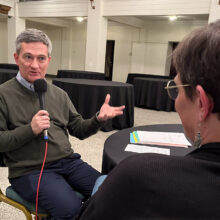
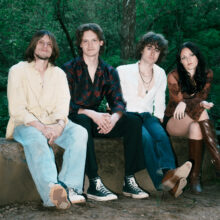
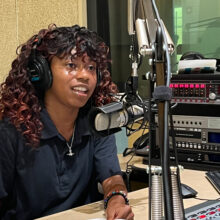
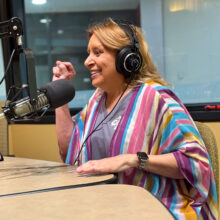
The Pop team stayed up way too late on election night, so we’re taking a break this week. We’ve elected a few of our favorites from the archives, including:
- The Dance Data Project, an organization working to make change in the arts with data
- Hoosier author Shifa Saltagi Safadi on her new novel “Sisters Alone”
- Playwriting team John and Jenni Marsh, who are directing “It’s A Wonderful Life” opening later this month at Muncie Civic
Those stories—and more!