EPA begins latest round of groundwater tests at Anderson Superfund site
Federal water testing has begun at a Superfund site in Anderson, as the Environmental Protection Agency seeks to learn how the water is contaminated and who or what is responsible. As IPR’s Thomas Ouellette reports, the tests continue a lengthy process that is still expected to take years to complete.
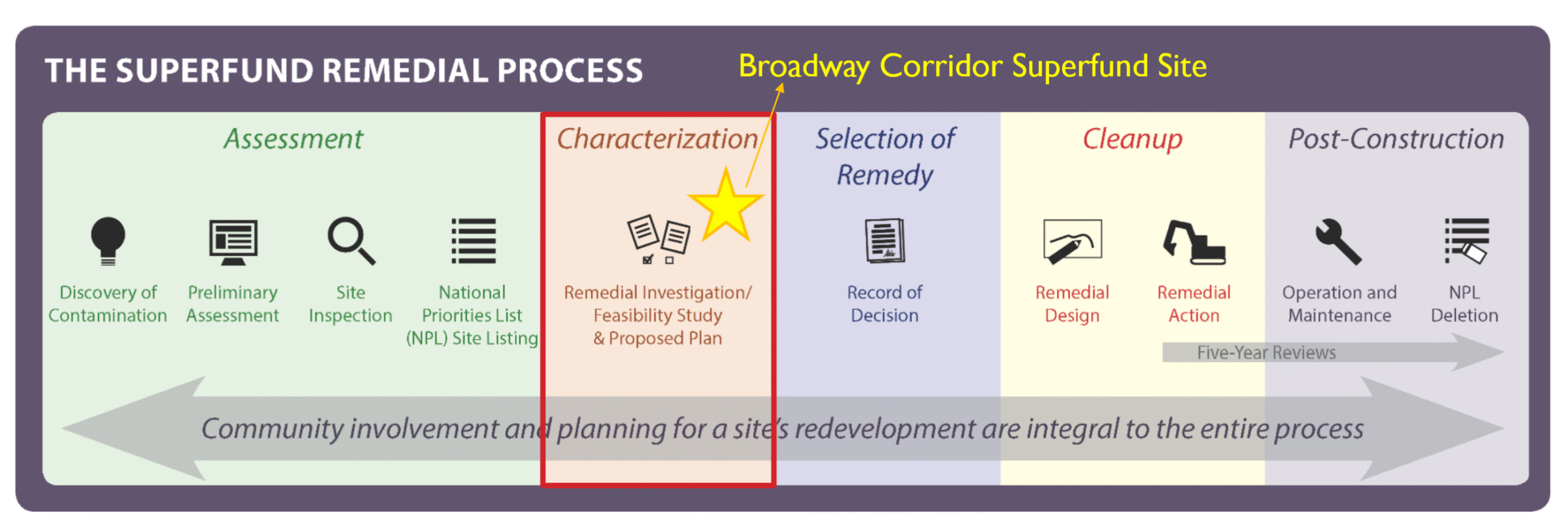
Groundwater contamination at the Broadway Street Corridor Superfund site was first identified in 1992. The project was added to a National Priorities List in 2018. Then a few months ago, the EPA signed on to a four-year contract to carry out a clean-up. Currently, it’s identifying what contaminants are there and developing the best method of clean-up.
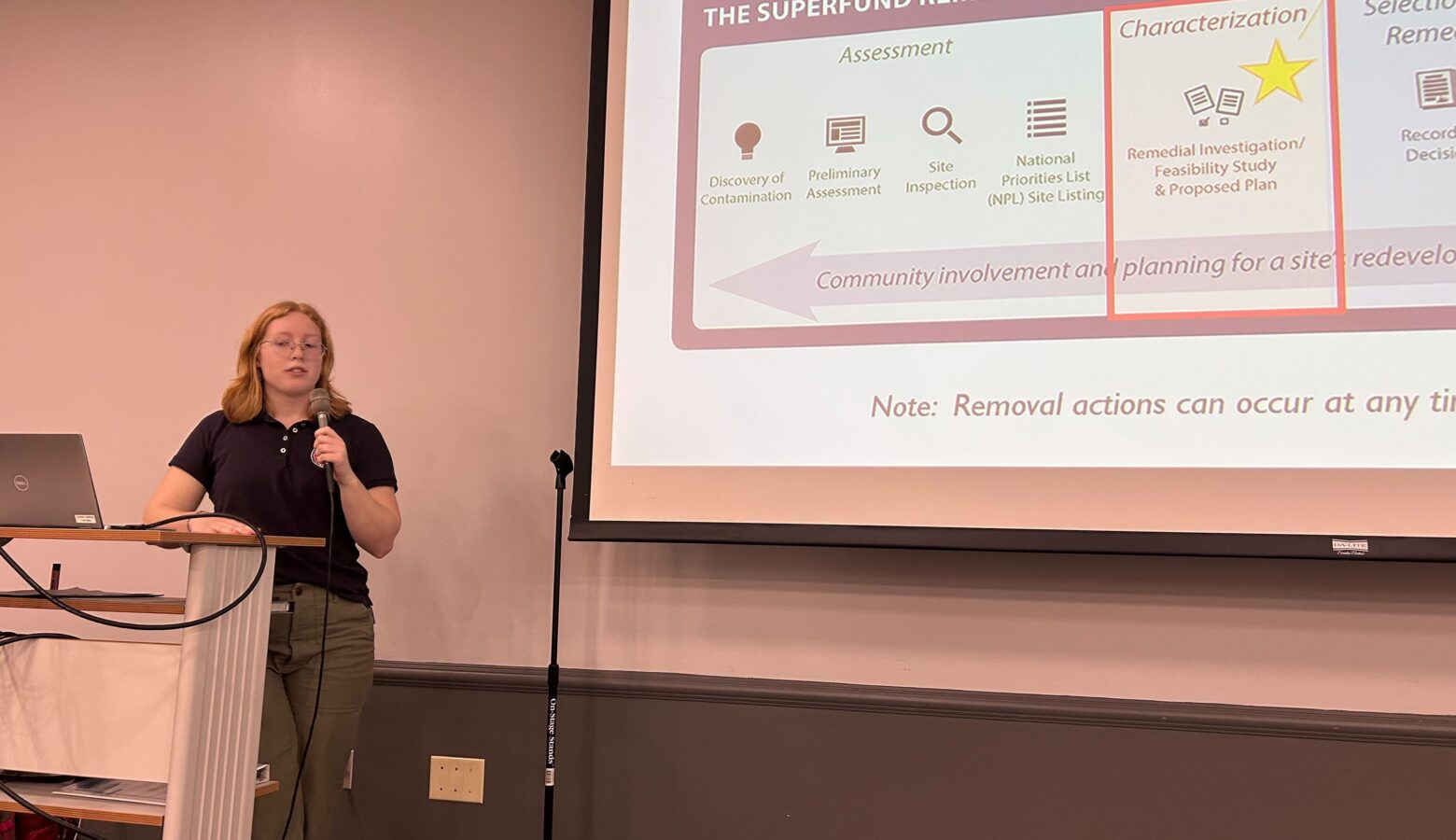
Clara Copps is the Remedial Project Manager for the EPA. She says the current investigation phase is a lengthy process, but it is integral to making sure the contaminants can be removed.
“We want to have really solid data and a good idea of what we’re dealing with here,” she said. “And part of that includes several rounds of monitoring and everything to be able to have a good data set.”
Vertical aquifer tests involve drilling holes into groundwater, extracting soil and water samples and testing them for contaminants known as volatile organic compounds. This round of testing will continue until mid-September. Copps says the agency will test again in summer 2026 to look for seasonal trends or changes.
The EPA says this round of testing will have 30 vertical aquifers, sampled and then abandoned. The agency then plans to install 30 permanent monitoring wells next year.
Copps says it’s expected to cost $4 million for the investigation. For the clean-up, the EPA will attempt to find the contamination’s responsible party and bill them. If one isn’t found, the EPA will cover the cost. The EPA has no suspected responsible parties at this time.
After the remedial investigation is complete, the EPA will publish a proposed plan that community members will have the opportunity to comment on.
Thomas Ouellette is our reporter and producer. Contact him at thomas.ouellette@bsu.edu
